






Which Solo Bitcoin Mining Path Is Right for You?
If you’ve ever dreamed of waking up to a full 3.125 BTC block reward landing in your wallet, you’ve already thought about solo (or “lottery”) mining. The appeal is obvious: instead of splitting a payout with thousands of other miners in a traditional mining pool, you’re betting on hitting the entire block reward yourself. Now a full disclaimer, just because you buy a home solo Bitcoin miner or rent hashrate, your never guaranteed to hit a Bitcoin block. I think honesty is important when cover this topic.
There are two very different ways to chase that dream right now. You can buy your own home mining hardware and run it at home, the more traditional route. Or you can rent hashrate through a platform, which handles the hardware, hosting, and pool connections for you and layers in some gamified extras like bonus hashrate or maybe daily reward spins.
Neither approach is “better” in every sense, they serve different people with different budgets, skill levels, and appetites for tinkering. Here’s an honest breakdown of both, aimed at two groups: miners who already have one or two home solo miners running, and people who don’t own any mining hardware at all and are just trying to figure out where to start.
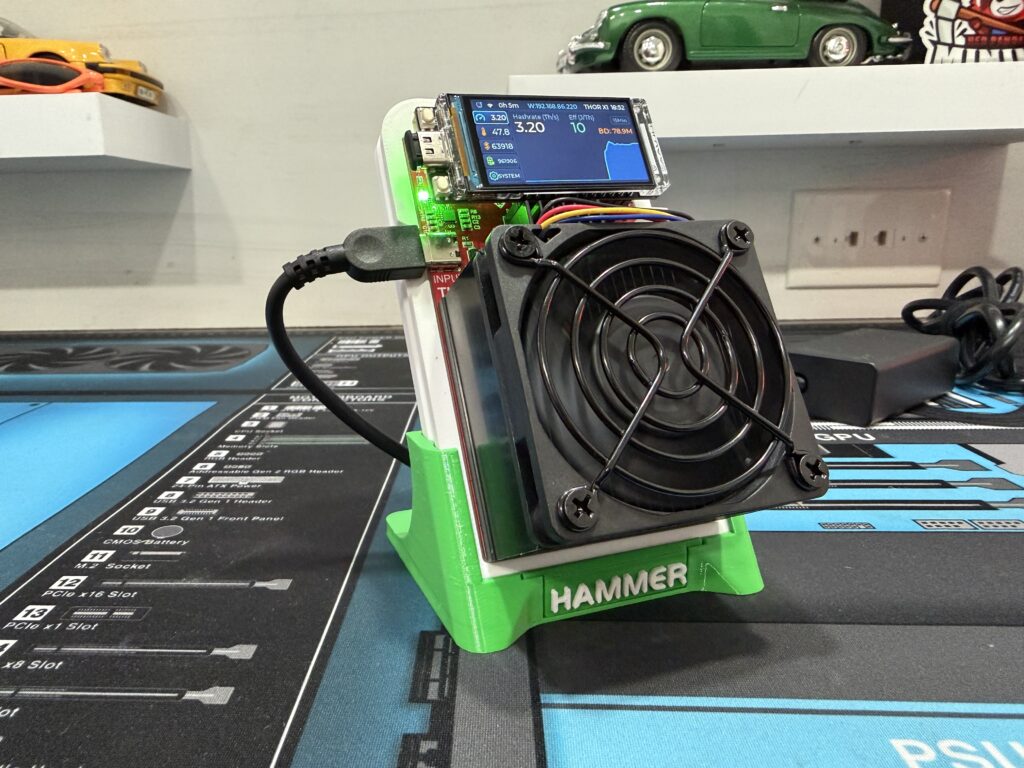
Looking for a great beginner home solo Bitcoin miner to start your mining journey? Checkout the Hammer Miner Thor X1 from Altairtech
Traditional Home Solo Mining
Home solo mining traditionally means buying your own home miner, finding a place to physically run them, connecting them to a Bitcoin node/pool (or a solo mining pool), and keeping them fed with power and cooling. It’s a hands-on hobby as much as it is an investment.
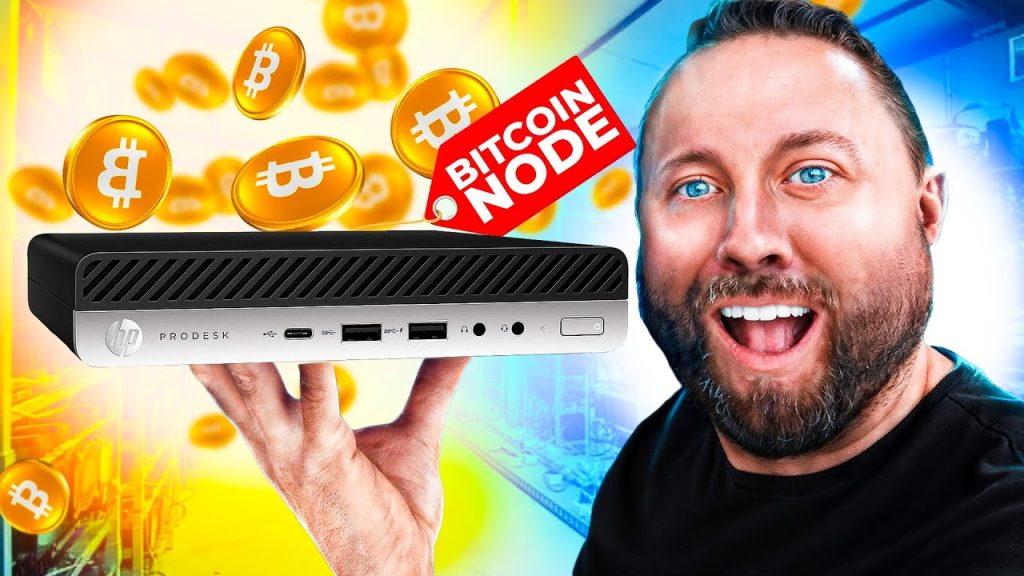
I highly recommend you run your own Bitcoin node/pool from home with an old pc, learn more in this video guide.
Pros
- You own the hardware – Once it’s paid off, it’s yours, no ongoing subscription, no third party involved. Every bit of hashrate the machine produces is dedicated to you, all day, every day.
- Full control – You decide which pool (or truly solo setup) to point your miners at, how to configure them, and when to run or shut them down.
- The tinkering factor – For a lot of home miners, part of the appeal is genuinely enjoying the hobby, upgrading to more efficient units, optimizing firmware, and watching hashrate and efficiency improve over time.
- No counterparty risk – You’re not trusting a company to actually deliver the hashrate it says it’s delivering, or to still be in business next year. It’s your machine, in your home (or garage, or shed).
- Resale value – Hardware can often be resold, even if it’s a depreciating asset.
Cons
- High upfront cost – Home Bitcoin miners have historically run anywhere from a few hundred to well over a thousand dollars each, prices and models change constantly, and newer, more efficient machines cost more. Sometimes devaluing older generation models.
- Technical know-how required – You need to be comfortable setting up and troubleshooting hardware, and ideally running or connecting to a Bitcoin node/pool.
- Space and noise. These machines are sometimes loud and generate real heat, which means you need a dedicated space, not something every home or apartment can accommodate.
- Good internet required – A stable connection is necessary to keep your miner connected to a pool or node without downtime. Unstable internet connections or slow speeds, traditionally lower your chances of hitting a block.
- Ongoing electricity costs. Running home miners 24/7 adds up on your power bill, on top of the initial hardware purchase. Now while not massive, does add up as you grow your home fleet.
- Maintenance burden. Machines break, need firmware updates, and eventually become obsolete as more efficient hardware is released. It’s a reality most begineers don’t think about.
- Lower total hashrate for the money. Unless you’re buying a serious amount of hardware, an individual home miner’s hashrate, and therefore chance of hitting a block, is relatively small compared to what a rental platform can allocate to you at times.
Who Home Mining Is Best For
People who already enjoy the hobby side of mining, have some technical comfort, have a suitable space (garage, basement, etc.), and want to build out their own hardware stack over time. If you already own one or two home miners, you’re clearly in this camp, and home mining remains a solid core of a personal mining strategy.
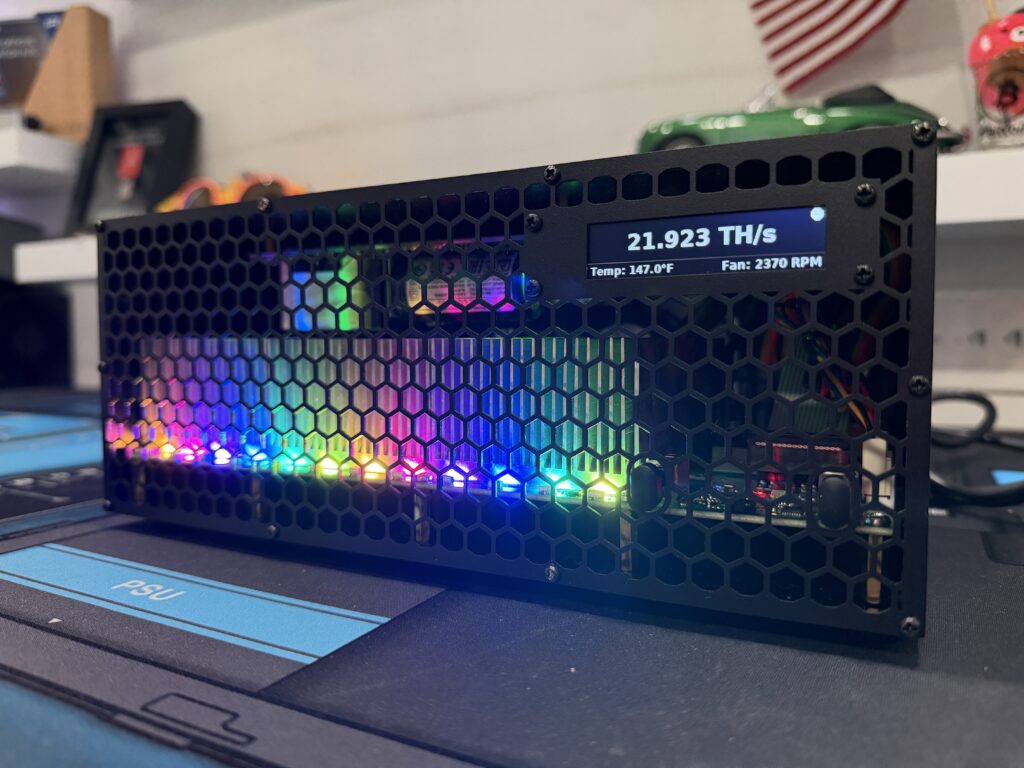
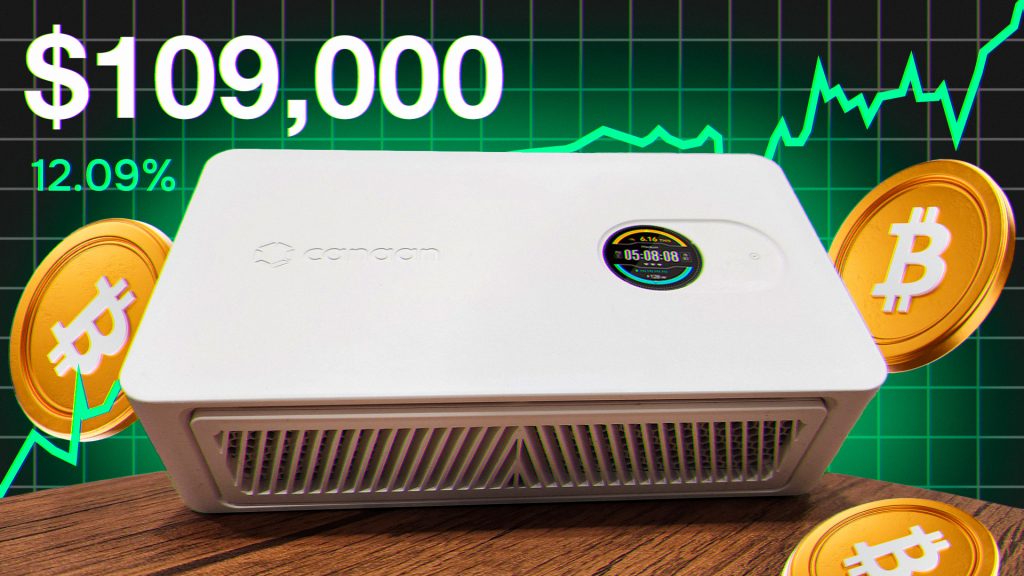
If your looking for a mid size Home Bitcoin Miner, consider the 22 TH/s Gekkoscience KBOX
Bitcoin Hashrate Rental Platforms
Special thanks to Luqee.net for sponsoring today’s article and The Hobbyist Miner Brand. Learn more here.
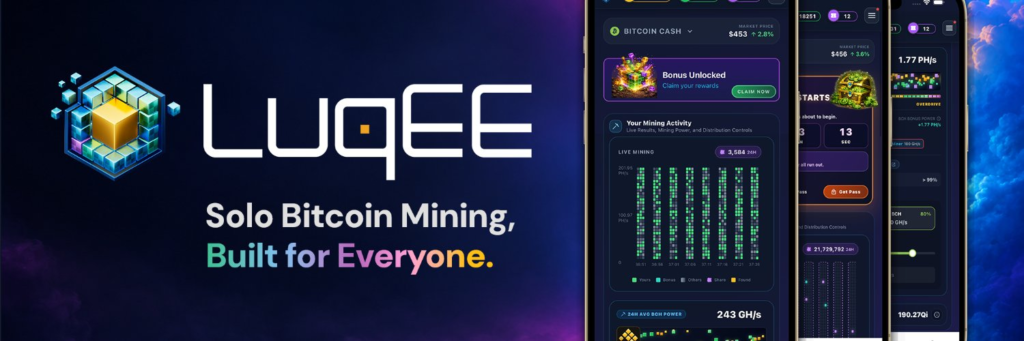
Luqee.net is a subscription/rental platform that lets you “solo mine” Bitcoin or Bitcoin Cash without owning any hardware. According to the platform, hashrate comes from Bitmain S21 miners the company owns and hosts at real, US-based hosting facilities. You pick an amount of hashrate (from 100 gigahash up to 50 terahash), a rental period (weeks, months, or up to a year), connect a BTC or BCH wallet, and the platform points that hashrate at a solo mining pool on your behalf. Payouts, if you hit a block, go directly to your wallet the platform says it never takes custody of your coins.
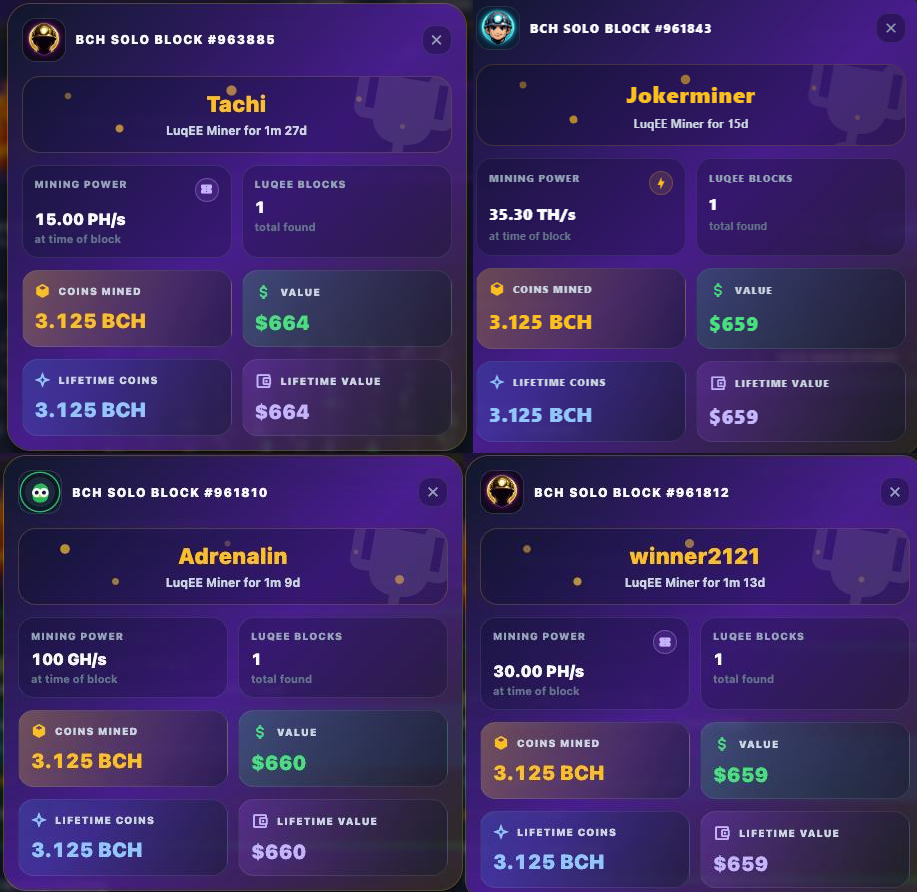
Here are a few Hobbyist Miner community members that have hit Bitcoin Cash blocks in just the last 30 days on Luqee.net
Pros
- No hardware needed – This is the biggest draw, you skip the upfront hardware cost, the setup, and the dedicated space requirements entirely.
- Low cost of entry – Starting prices as low as roughly $3–5 per week or sometimes around $5/month for the smallest package, making it accessible to people who can’t justify (or afford) a full home ASIC miner purchase.
- Pay with a credit card – Unlike a lot of other platforms, you don’t need to already hold Bitcoin to get started, you can subscribe with a regular card (crypto payment is available for one-time purchases too).
- “Burst” mining bonus hashrate – This is Luqee.net’s standout feature: your subscribed hashrate is a guaranteed minimum, but the platform periodically allocates unused capacity from its facilities to subscribers, meaning you may see far more hash rate than you paid for at various points in the day. Not just something small, we are talking upwards of 50 TH/s on a 1 TH/s purchase.
- Flexibility to split hashrate. You can allocate your rented hashrate between Bitcoin and Bitcoin Cash mining simultaneously, adjusting the split whenever you like.
- Gamified extras. A daily “spin” rewards you with “power chips,” a platform currency you can spend on temporary hashrate boosts, plus periodic “power mining events” that let subscribers pool into much larger hashrate allocations. How big? The last one I participatedin was 180 PH/s.
- Mobile and desktop access. The dashboard is built to be used from a phone as easily as a computer, so you can check in without needing to be near your rig.
- No maintenance. No firmware updates, no troubleshooting hardware, no dealing with heat or noise, that’s on Luqee’s side.
- Real company, real facilities (as claimed). I’ve personally met the Luqee team at Bitcoin Vegas 2026 and can confirm they are doxxed and real people! Luqee.net also hosts their own actual purchased physical Bitmain Antminer S21 200 TH/s units at hosting facilities in the United States.
Cons
- You don’t own anything – Once your rental period ends, you have nothing tangible left, unlike hardware, which retains some resale value.
- You’re paying a premium – Renting hashrate through a service like this costs more than the equivalent hashrate would cost you to run yourself over time, since the company has infrastructure, staffing, and profit margins built into the price.
- Counterparty and platform risk – You’re trusting a third party company to actually deliver the hashrate it advertises, keep facilities running, and pay out correctly if you win. Rental platforms, Cloud Mining and NFT Mining services in general have a history of scams in the crypto space. So finding a good trusted brand is very important!
- Burst hashrate isn’t guaranteed or constant – The “burst” bonus is explicitly described as occurring “every once in a while throughout the day” based on facility demand, it’s a nice bonus, not something you can count on at any given moment.
- Odds are still long – Even with burst hashrate and event boosts, you’re still solo/lottery mining. The fundamental math of hitting a Bitcoin block by chance doesn’t change just because the platform is easy to use. However the amount of hashrate your renting plays a big factor in changing the odds.
- Newer, less established model. Compared to home mining (which has been around since Bitcoin’s early days), rented solo mining as a service platforms are a newer category, with less of a long term track record to evaluate.
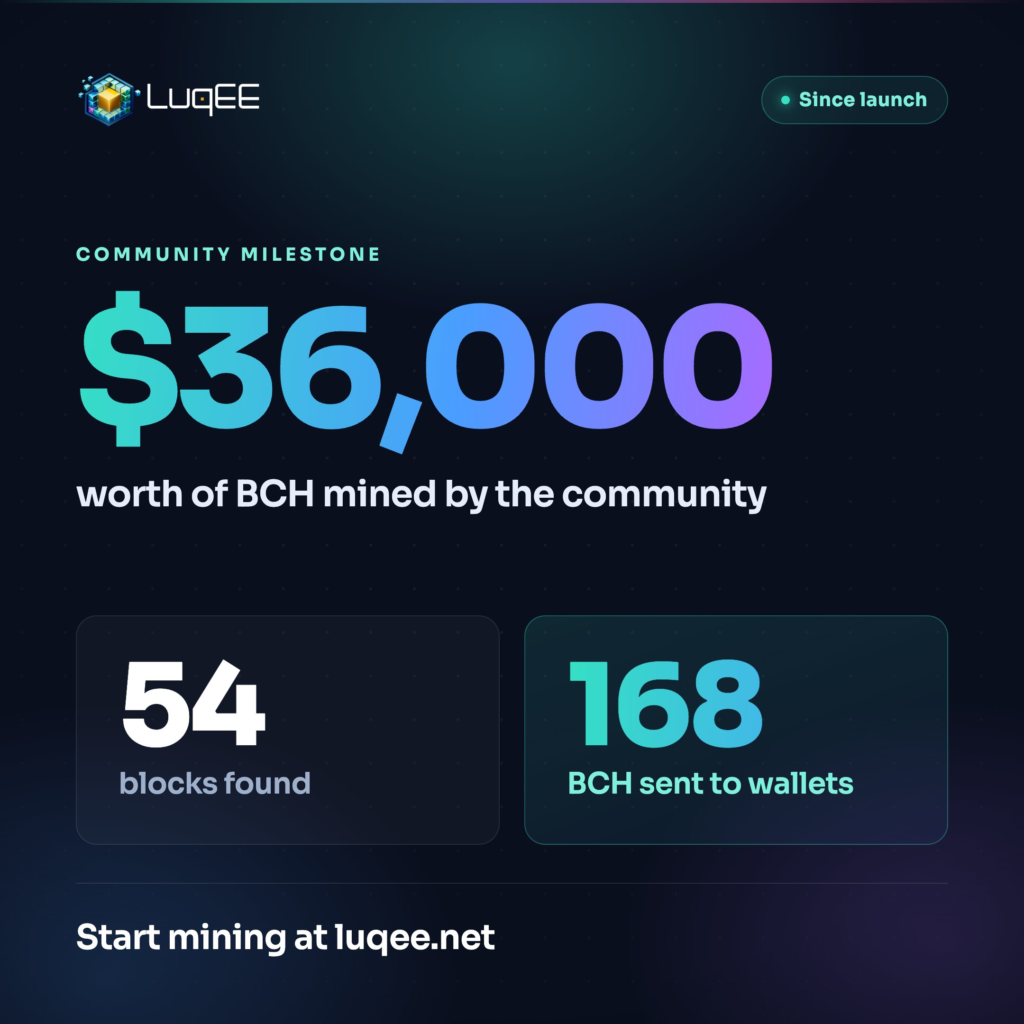
Who Luqee.net Is Best For
People with zero hardware and no strong desire to acquire any, people who want a low cost, low effort way to dip a toe into solo Bitcoin mining, and notably existing home miners who want to add supplemental hashrate to their overall mining strategy without expanding their physical setup.
Side-by-Side Comparison
| Factor | Home Solo Mining | Luqee.net |
|---|---|---|
| Upfront cost | High (hundreds to $1,000+ per unit) | Low (as little as ~$3–5/week) |
| Technical skill needed | Moderate to high | Minimal |
| Physical space required | Yes | None |
| Ownership | You own the hardware | You own nothing after the rental ends |
| Ongoing costs | Electricity, maintenance | Subscription/rental fee |
| Hashrate ceiling | Limited by what you can afford/house | Can spike well above what you paid for via “burst” mining |
| Control | Full control over setup and pool | Managed by the platform |
| Risk profile | Hardware depreciation, no counterparty risk | Counterparty/platform trust required |
| Extra features | Hands on, Learn as you go Education | Bonus hashrate, daily rewards, power mining events |
| Best for | Hobbyists, technical users, existing home miners | Beginners, no hardware users, and home miners wanting supplemental hash rate |
Before doing Home Solo Bitcoin Mining, your going to need a Bitcoin Wallet. Don’t have one, here is what I use.
The Real Takeaway: These Aren’t Mutually Exclusive
The most interesting point buried in all of this isn’t “home mining vs. rental services” it’s that they can complement each other. If you already run one or two home miners, adding a small Luqee.net subscription costs very little and gives you another independent shot at a block, without taking up more physical space or adding to your power bill in a major way. If you’re brand new and don’t own hardware, Luqee.net is a genuinely low risk way to learn how solo mining works and see the mechanics of pools, wallets, and payouts before ever deciding whether to invest in your own rig.
Whichever direction you go, remember what solo mining fundamentally is: a low probability, high reward gamble layered on top of Bitcoin’s real network security work. Treat any money spent on it, hardware or subscriptions, the same way you’d treat a lottery ticket budget, not a guaranteed income stream.
Give it a Try!?
If your looking to give Luqee.net a try after doing your own research, use special checkout code “HOBBYISTLKY26” to get an additional hashrate BOOST!
See You Next Time!
Already running a home solo Bitcoin miner or thinking about picking one up? Come share your experience in The Hobbyist Miner Community Discord — free to join here!