






How To Start Bitcoin Mining: Full Beginners Guide for 2026

So, you’ve been hearing a lot about crypto and bitcoin mining lately, and you’re curious to get started. Maybe a family member or friend knows you’re into tech and hits you up with, “Hey, I heard you’re into crypto now. Any tips on how I can start mining?” Well, you came to the right place! This detailed beginners guide covers everything you need to know—from picking your first miner and wallet to those all-important first transactions, off-ramps, and pro tips for scaling up.
Whether you have absolutely zero knowledge or just want a real-world walkthrough that’s not filled with big words and complicated tech jargon, this guide is for you. We’ll keep it easy to follow, casual, and full of visuals and examples so you actually feel confident to start mining in 2026.
Special thanks to fellow home crypto miner and content creator Red Fox Crypto, for sitting down to help me put this guide together!
For more on this topic, check out this detailed video: How To Start Crypto Mining | Full Beginners Guide
Getting Started: Why Crypto Mining?
So it’s 2026, and crypto isn’t just “that weird Internet money” anymore—it’s legit! More people are talking about it, using it, and yes, mining it from home. Still, for most, mining feels scary and complicated. You might have asked yourself:
- What exactly does it take to get started?
- Do I need a ton of computer know-how?
- Is mining still profitable from home?
- What’s the best gear for absolute beginners?
- How do I actually turn mined coins into cash I can use?
If you’re nodding your head, you’re exactly the person who’ll benefit from this guide!
Whether you’re just curious or ready to invest a little more, let’s break things down step-by-step.
Choosing Your Mining Gear
Start Small, Start Smart
First things first—don’t rush out and drop thousands on the biggest mining rig you can find. The smartest way to get into home crypto mining is to choose something:
- Affordable (think $100–$300 range)
- Easy to set up
- Quiet and energy efficient
- Designed for beginners
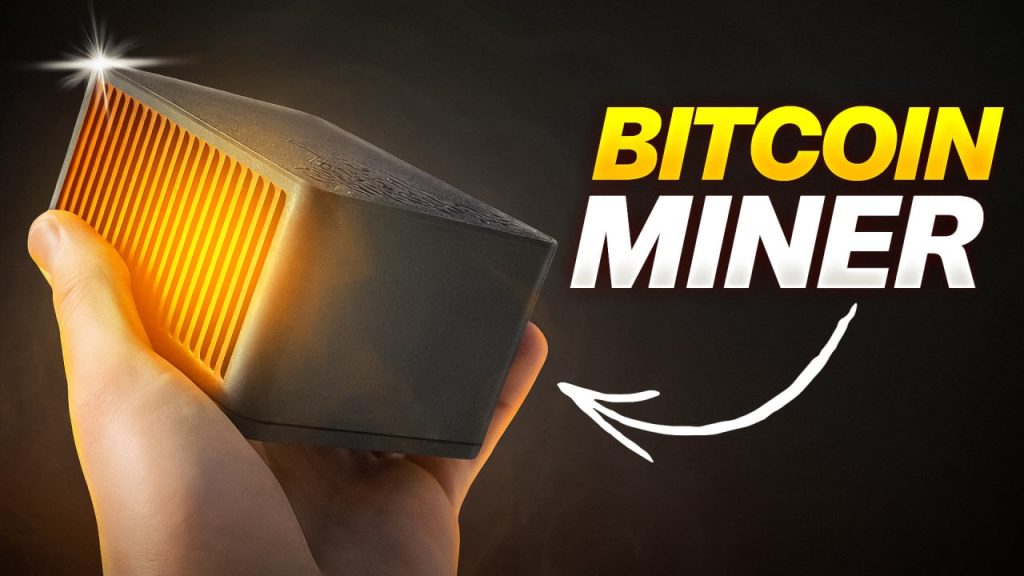
Canaan Avalon Nano 3S: The Perfect Starter Miner
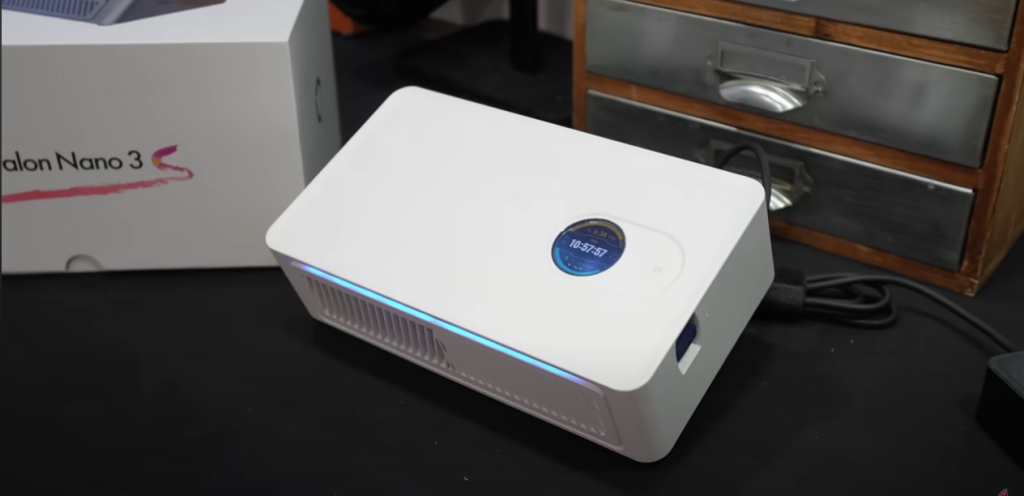
If you ask any seasoned hobbyist what miner they’d recommend for a complete newbie, you’ll get the Avalon Nano 3S. Why? It’s simple to use, affordable, quiet, has an app, and anyone can set it up—no deep IT skills needed.
Why We Like the Avalon Nano 3S:
- Plug-and-Play: You won’t need hours to tinker—plug it in, follow the app prompts, and you’re mining.
- User-Friendly App: Most people already know how to use phone apps. The Avalon’s app makes setup and monitoring easy.
- Solid Design: Nice packaging, clear instructions, and not intimidating.
Notable Alternatives
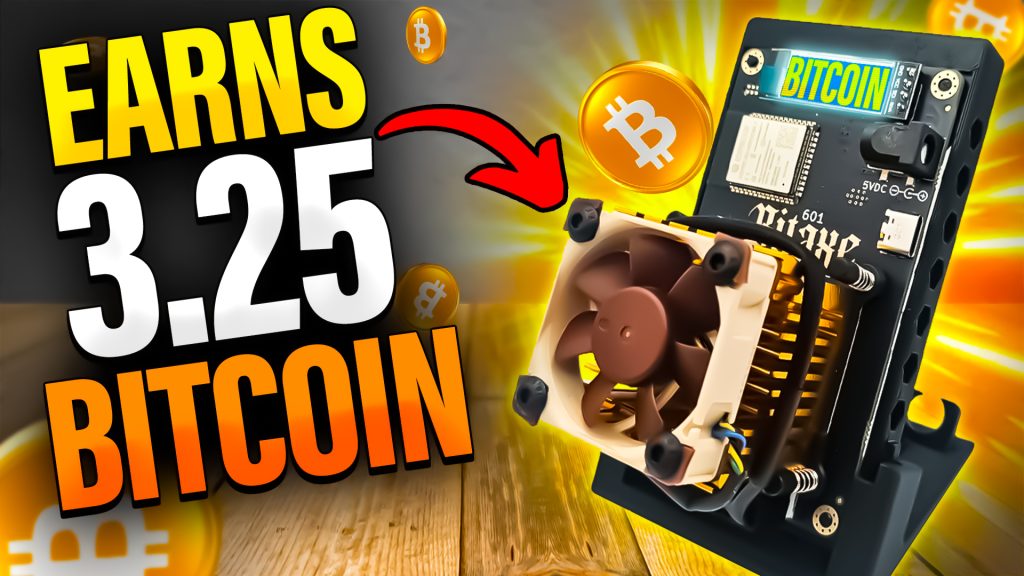
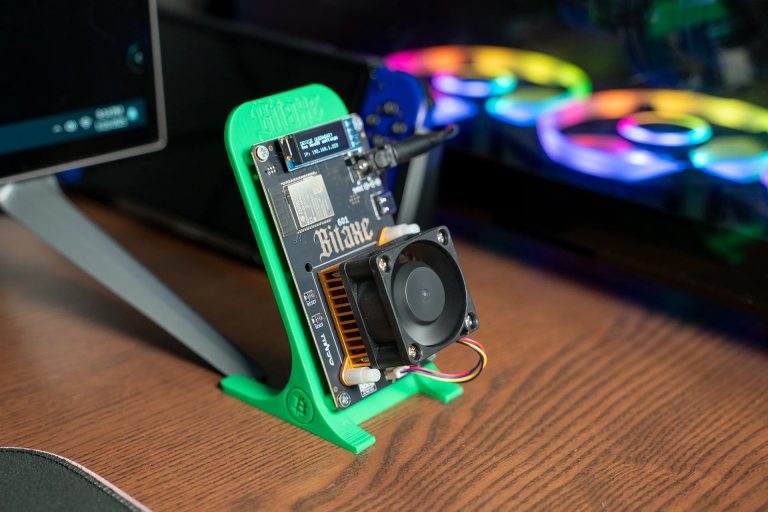
- Bitaxe Miner: Around $100, small and inexpensive. But this one needs a little more technical know-how (like connecting to your WiFi and accessing the miner from an IP address).
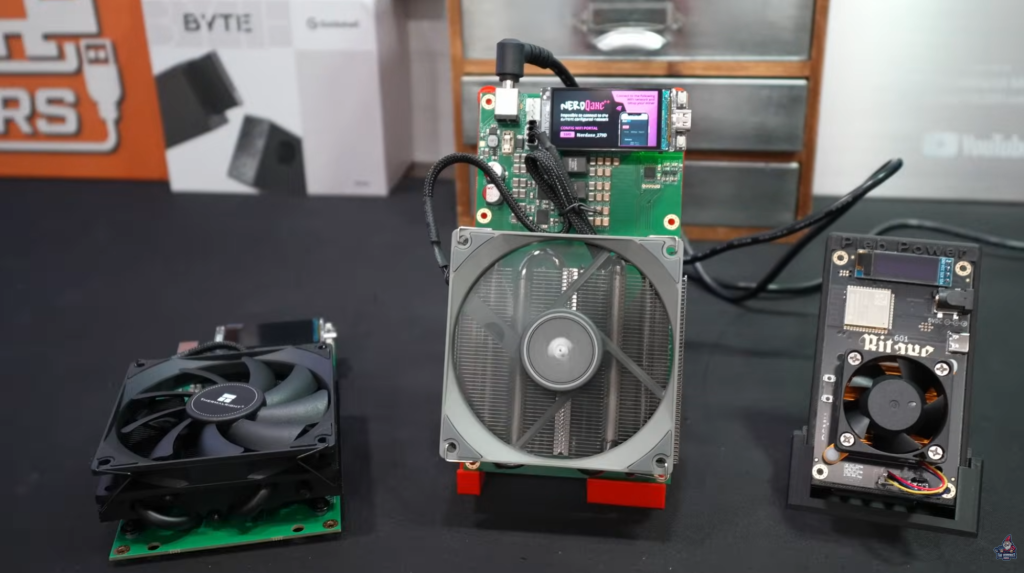
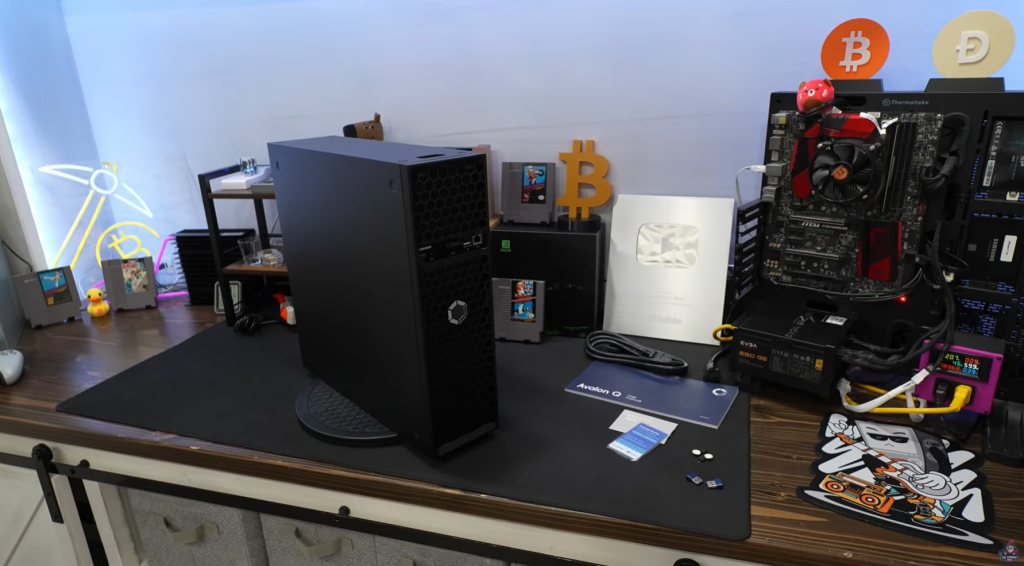
- Canaan Avalon Q (especially good for heating small rooms in winter)
- NerdOCTAxe – for when you’re ready to upgrade from the Bitaxe or NerdQAxe++
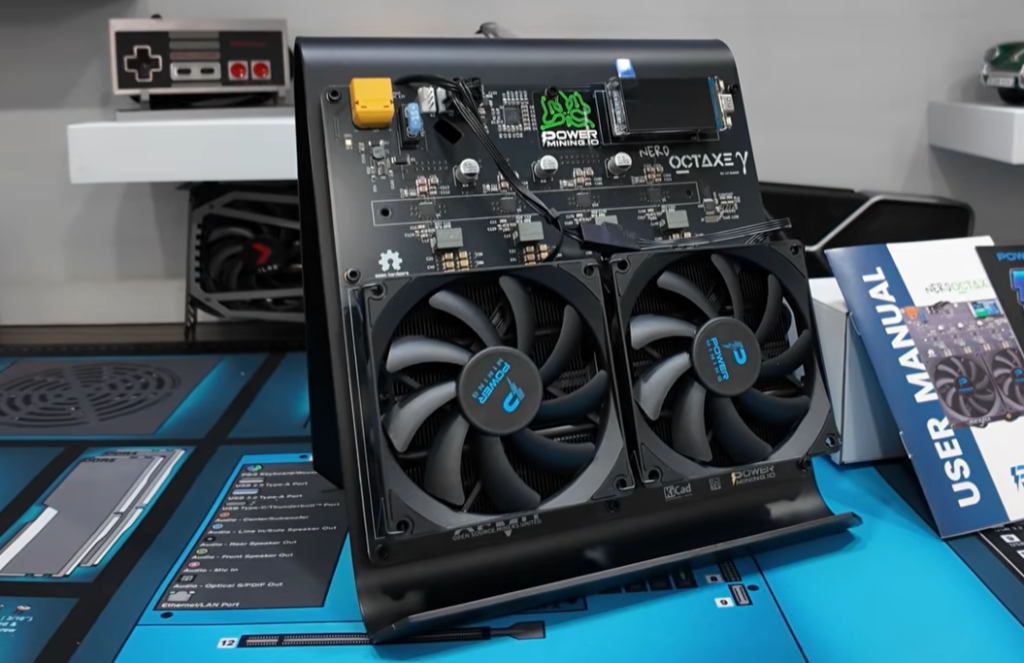
The common thread? Start with something simple and focus on bitcoin first. You can branch out to altcoins and bigger miners once you get comfortable.
Setting Up Your Crypto Wallet
Before you mine even a single satoshi (the smallest bitcoin unit), you’ll need a wallet to store your coins.
What’s a Crypto Wallet and Why Do You Need One?
A wallet is like your personal, digital bank account. When your miner finds coins, it needs a place to send them. Picking the right wallet is super important—especially since good, beginner-friendly options are now available.
Recommended Wallets for Beginners
- Tangem Wallet: Totally beginner-proof, not expensive (~$50), and works straight from your phone. Just tap it and go.
- Don’t Jump Right to Ledger: Ledgers are great for security, but setting one up can be a bit tricky for first-timers.
Why We Suggest Tangem
“Tangem is smart because it keeps you on your phone, keeps things really accessible. It’s so user-friendly and pairs perfectly with something like the Nano 3S.” – Red Fox Crypto
- Affordable: Around $50
- App-Based: Most people know how to use apps
- Not Scary: Crypto is intimidating for beginners; this wallet makes things feel familiar and less risky
Getting Your Miner Running
Ok! You’ve got your miner and you’ve got a wallet. Now, how do you actually connect them and start mining?
Don’t worry—if you’ve ever set up a WiFi router or smart speaker, you can do this!
- Plug in the Miner: Use the included power cable and plug your Avalon Nano 3S (or equivalent) into the wall.
- Install the App: Download the official miner’s app from your smartphone’s app store.
- Onboarding: Follow the on-screen prompts. Usually, it’s as easy as scanning a QR code or entering your WiFi network info.
- Connect to Pool: Most beginner miners auto-select a mining pool for you. Advanced users can pick their preferred pool later.
- Enter Your Wallet Address: The app will ask for your bitcoin wallet address (from your Tangem or other wallet). This is where your coins will be sent.
- Start Mining: Hit start. Your miner will connect to the blockchain and begin doing its thing!
“Don’t forget every miner is different, these instructions are at a 50,000 foot level and may need to be tweaked based on the model you purchased.” – The Hobbyist Miner
Need a Video or Step By Step Guide? Don’t be afraid to stop in The Hobbyist Miner Community Discord and Ask! Join Here
Scaling Up (Without Getting Overwhelmed)
Once you’re earning a little crypto, you might suddenly feel the itch to go bigger. Who wouldn’t want to double or triple earnings? But here’s the thing—there’s no shortcut to skipping the learning process.
Don’t Over-Invest Too Fast
“Start small, take 30 days to run a home solo bitcoin miner at home like the Canaan Nano 3S. Reason why is the same processes for a small miner like that translate over to larger miners. Mining, Wallets, Pools, Transactions, Upkeep is all the same!” – The Hobbyist Miner
Here’s Why:
- You need to know how to set up a miner, connect to a pool, use your wallet, and cash out.
- The process for a tiny home miner and a big, hosted ASIC is the same—just bigger numbers and more wiring.
Steps for Smart Scaling
- Start Small: Gain confidence and skills by running $100–$300 miners for the first month.
- Watch YouTube Channels & Read: Use channels like Red Fox Crypto, Red Panda Mining, VoskCoin, The Hobbyist Miner.
- Test Everything: Send some coins out, cash some in, break things in a way that’s low risk.
- Upgrade Only When Ready: Buy a bigger miner (like an L9 or S21-series) once you know the basics.
Cash Out: Off-Ramp Solutions Explained
What’s an Off-Ramp?
An off-ramp is just the way you turn mined bitcoin (or other crypto) into dollars (or your local cash) in your bank account. Most people do not think about this ahead of time. They mine, see coins in their wallet, and then go, “Wait… how do I spend this money in real life?”
Why Early Cash Out Is Important
“There’s something magical about mining a little bit of something and then converting it on an exchange like Coinbase, to your native currency, and then sending that to your bank account. It feels more real.” – Red Fox Crypto
Top Off-Ramp Platforms
- Coinbase: Easiest for beginners, U.S.-based, clear interface, good security.
- Kraken: Another trusted U.S. crypto exchange.
- Crypto.com: Offers both off-ramps and its own credit cards.
All require KYC (Know-Your-Customer) signup, which means sending in an ID, address, and face scan. It isn’t scary—just like opening a bank or PayPal account.
Steps To Off-Ramp Your Mined Coins
- Sign up for Coinbase/Kraken/Crypto.com: Complete their ID verification process (can take a day or two).
- Send Small Amounts First: Transfer $5 of bitcoin from your wallet to the exchange. Make sure you get the address right.
- Sell for Dollars: Once your crypto arrives, use the “Sell” function to convert bitcoin to your local currency.
- Withdraw to Your Bank: Link your bank account and transfer out the money. This process can take a day or so.
- Or Use Exchange’s Credit Card: Many exchanges offer debit/credit cards now. You can load your mined bitcoin directly onto the card and spend it at gas stations, restaurants, etc.
Pro Tip: Practice these transfers with small amounts. Sending crypto for the first time is scary but safe if you double-check addresses!
Your First Mining Experience: What It Feels Like
Honestly? It’s kind of magical.
“When that magic Internet money hits your crypto wallet for the first time… It’s the greatest feeling. I remember going in there, and I was like, wait, I have a balance!? I didn’t work for this. That miner—that hardware—was my worker and I earned it. Do you remember that like when you saw your first time anything hit your wallet?” – The Hobbyist Miner
The first time you see your wallet balance go from $0 (or 0 BTC) to something, it all clicks. You didn’t have to clock in, you didn’t have to ship anything; your little miner worked for you while you slept or made dinner.
You get this awesome feeling:
- You contributed real computing power to a decentralized network
- The coins you earned have actual value
- It’s a tangible way to join the global crypto ecosystem
Final Tips and Resources
Key Takeaways Recap
- Start Simple: Get an affordable, easy-to-use miner (Avalon Nano 3S is #1).
- Choose a Friendly Wallet: Tangem is the best for beginners.
- Set Up Before Scaling: Learn the basics before jumping into larger, loud, expensive miners.
- Educational Content Is Everywhere: YouTube, blogs, and community forums are a godsend—never hesitate to ask questions or watch setup videos.
- Try Small Transactions Early: Cash out $5. See it work. Learn the ropes before the big bucks are on the line.
- Plan Your Off-Ramp in Advance: Set up a Coinbase/Kraken account today—you don’t want to wait for verification during a big price spike.
- Enjoy That First Payout: Take a screenshot of your first mining reward—seriously! It’s a major milestone.
Hosting Big Miners
If you’ve got the itch to try bigger, louder, more powerful miners but don’t want the noise or heat at home, consider ASIC Hosting. Learn more about ASIC Hosting Here
Frequently Asked Questions
Is Home Mining Really Still Profitable in 2026?
Yup—but the key is managing expectations. Home mining (even with energy costs rising) is more a learning, hobby, and long-term investment. Don’t expect to retire next month, but you’ll be blown away by the tech you’ll learn along the way.
Do I Need a Lot of Technical Knowledge?
Not with today’s beginner gear! If you can set up a smart home device, you can set up a Nano 3S or plug in a Tangem wallet.
What’s the Minimum I Need to Get Started?
- Miner: ~$100–$300 (Avalon Nano 3S, Bitaxe, or similar)
- Wallet: $50 (Tangem or equivalent)
- Off-Ramp Account: Free (Coinbase, setup in advance)
- Electricity Access & WiFi
Closing Thoughts
Getting into crypto mining doesn’t have to be complicated or scary. Pick up an entry-level miner, grab a friendly wallet (like Tangem), watch a few walkthrough videos, and just get started with small stakes. There are whole communities out there ready to help you.
Mining can be the start of an amazing new hobby—or even a new tech career. It all begins with that first coin earned by your own piece of hardware.
See You Next Time!
Got questions? Join The Hobbyist Miner Comunity Discord for great fellow crypto miner conversation, community help and more! Join entirely free here!