







The Ultimate $10 Cooling HACK for the Famous Canaan Avalon Nano 3S!
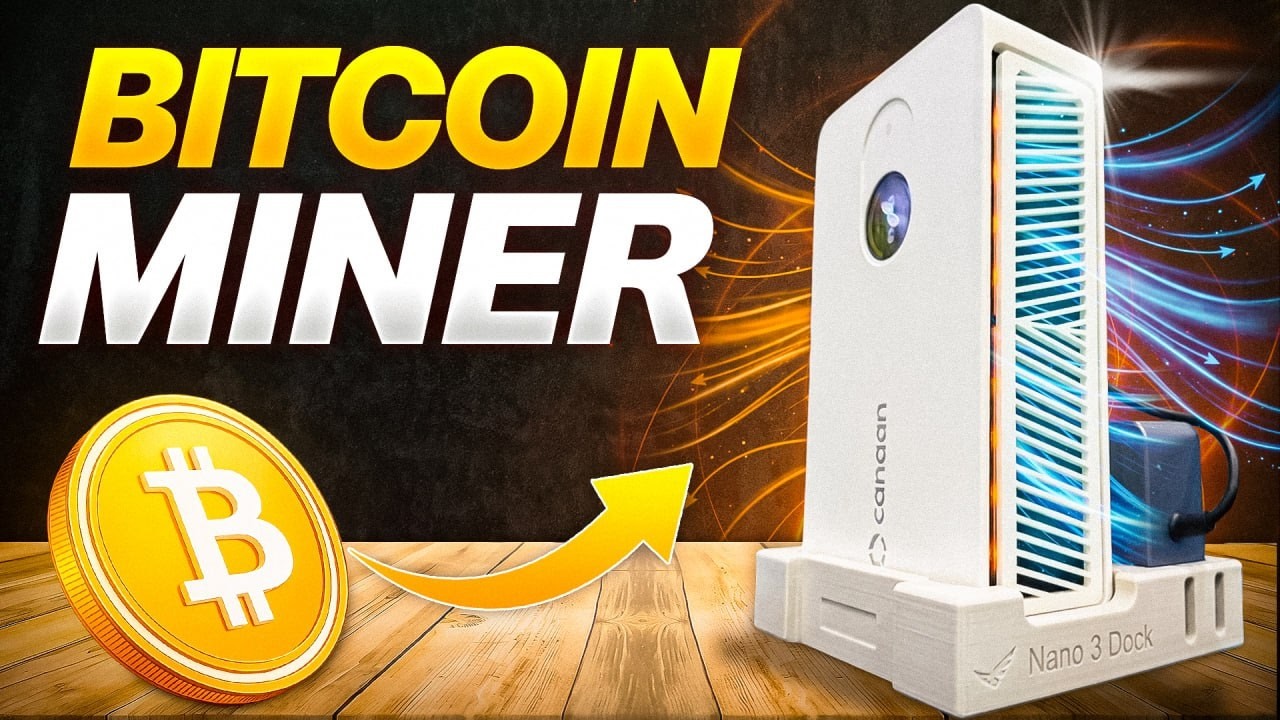
Solo Bitcoin mining at home sits in a fascinating category all its own. It’s not profitable in the traditional sense — you’re not grinding out consistent daily returns the way a large-scale mining operation does. What you’re doing is more like buying a lottery ticket, except the ticket is a piece of hardware that runs continuously in your home, contributing real hash power to the Bitcoin network in exchange for a small but genuine chance at a full bitcoin block reward. For a certain kind of crypto enthusiast, that’s a seriously compelling proposition.
The Avalon Nano 3S from AltairTech has become one of the more popular entry points into this space. It’s compact, relatively quiet, draws modest power, and doesn’t require a rack, industrial cooling, or a dedicated electrical circuit. But it has carried one persistent weakness since its release — heat management — and that flaw has cost more than a few early adopters their power supplies or worse hardware.
A new accessory from AltairTech aims to fix exactly that. Here’s a closer look at the device itself, the cooling problem, and what the new dock brings to the table.
For more on this topic, watch this detailed video: Avalon Nano 3S & Altair Tech Dock — Full Review
The Canaan Avalon Nano 3S – Home Solo Bitcoin Miner

The Nano 3S is a SHA-256 ASIC miner — a small, purpose-built device designed specifically to perform the hashing calculations required to mine Bitcoin and any other SHA-256 based cryptocurrency. That includes coins like Digibyte and Bitcoin Cash, though Bitcoin solo mining is the primary use case most people have in mind when they pick one up.
At 6 terahash per second (with real-world output sometimes running slightly above that figure), the Nano 3S operates at a fraction of the power of commercial-grade mining equipment. It draws up to 140 watts, which is roughly comparable to a bright incandescent bulb or a mid-range gaming GPU under load. For home use, that’s entirely manageable without any special electrical considerations.
The design is intentionally consumer-friendly. The unit is compact enough to sit on a desk or nightstand, connects to power via a USB-C adapter rather than the industrial connectors found on larger ASICs, and is managed entirely through the Avalon Family app on your smartphone. Setup involves connecting to Wi-Fi, pointing the miner at your preferred mining pool, and entering your wallet address — the app walks through all of it without requiring any command-line interaction or technical knowledge.
There are also some genuinely fun touches for the home miner crowd. The LED lighting system is fully configurable through the app, letting you adjust brightness and cycle through colors — everything from Bitcoin orange to green, blue, and pink. It’s a small detail, but it makes clear this product was designed with a different kind of user in mind than the operator running a hundred machines in a warehouse.
The Cooling Problem — And Why It Matters
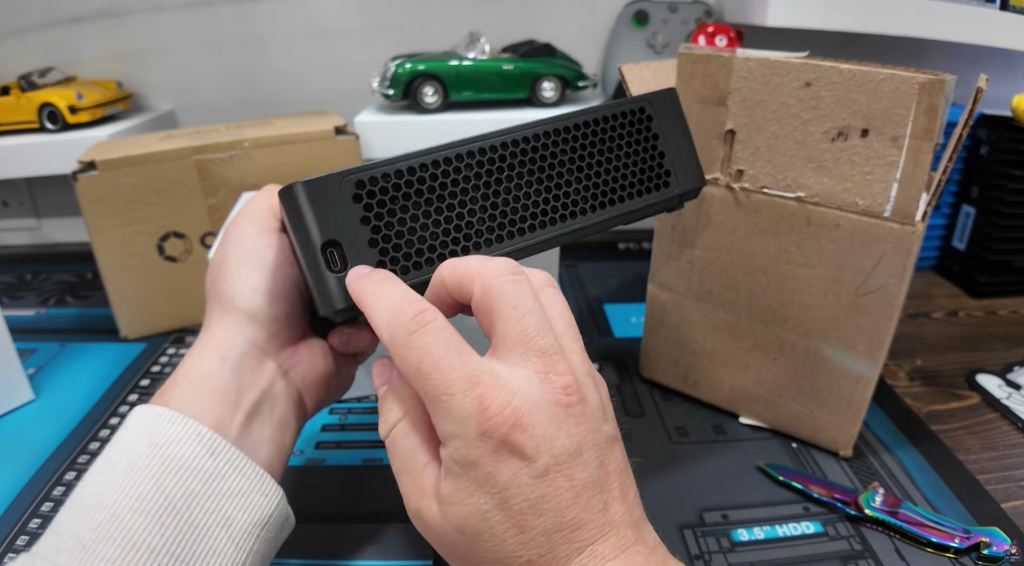
Here’s where the Nano 3S has historically run into trouble. The device pushes 140 watts through a relatively small enclosure, and the USB-C power supply connection sits in a location that doesn’t naturally benefit from the internal airflow. In practice, this means the power supply and its port can run significantly hotter than the rest of the miner — and over time, that sustained heat causes real damage.
The specific failure mode is the USB-C port degrading or melting from prolonged thermal stress. It’s not an isolated incident — it’s a known issue that a meaningful number of Nano 3S owners have experienced firsthand. Power supplies dying from overheating has been one of the most consistent complaints from long-term users of the device.
The root cause is straightforward: when you lay the Nano 3S flat on a surface — especially carpet or any material that traps heat — airflow around the power supply is minimal. The unit generates heat, the heat has nowhere to go, and the most vulnerable component pays the price.
A Simple Fix for a Real Problem!

AltairTech’s answer to the cooling problem is the Nano 3S Dock — an $8.99 accessory that reorients the miner to improve airflow around all critical components.
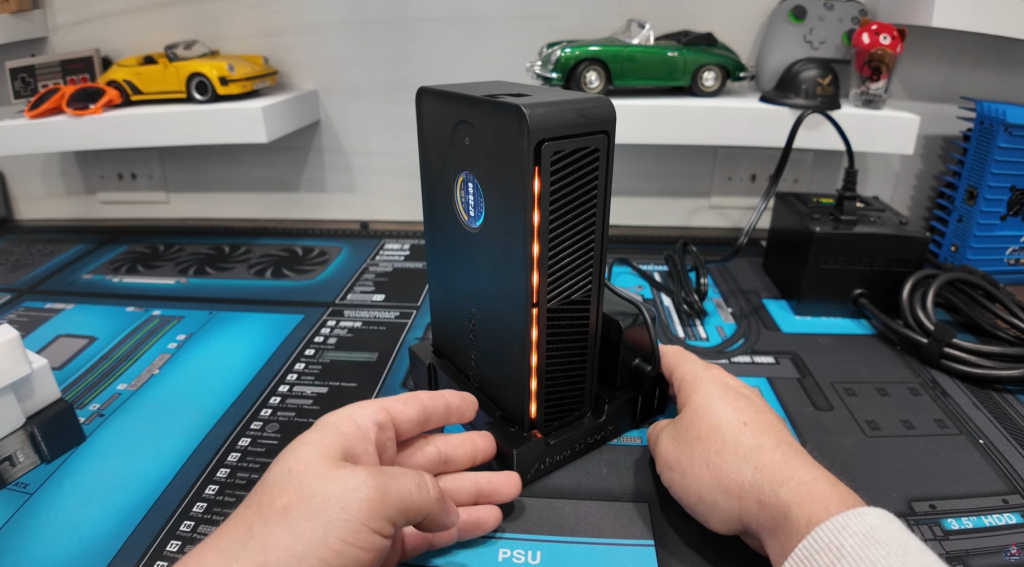
The dock functions as a cradle that holds the Nano 3S in an angled, elevated position rather than flat on a surface. The design includes cutouts on multiple sides that allow air to circulate around the power supply and the body of the unit simultaneously. In practice, this means the areas that previously sat flush against a desk — trapping heat — are now open to ambient airflow on three sides.
A few things worth noting about the dock:
- Passive design — No electronics, no fans. It’s a positioning solution that solves an airflow problem through orientation rather than active cooling.
- Secure fit — The Nano 3S seats tightly in the cradle without any risk of tipping, and the overall footprint remains small enough for a desk or shelf.
- Matched aesthetics — Both the dock and the Nano 3S are available in black or white, so they can be paired cleanly.
- Power supply positioning — The dock allows the power supply to sit in a naturally ventilated position rather than sandwiched between the miner and a flat surface.
At under $10, the dock is essentially a no-brainer add-on for anyone purchasing or already owning a Nano 3S. The cost is negligible compared to a replacement power supply, and the thermal benefit is both real and immediate.
Check out the Avalon Nano 3S and the AltairTech Dock here
Solo Mining vs. Pool Mining

Before diving into the Nano 3S, it’s worth being clear about what home solo Bitcoin mining actually is — because it operates very differently from the pool mining most people picture when they think of crypto mining.
Pool mining combines your hash power with thousands of other miners. The pool finds blocks collectively and distributes rewards proportionally based on each miner’s contribution. Payouts are small, frequent, and predictable.
Solo mining means pointing your hash rate directly at the Bitcoin network without pooling. Your payout is all-or-nothing: either you find a block yourself and receive the full reward, or you receive nothing. At 6 terahash, the odds of a single Nano 3S finding a Bitcoin block are extraordinarily long — this is genuinely a lottery scenario.
What solo mining offers instead of consistent income is participation. You’re connected to the Bitcoin network, contributing real hash power, and holding a real — if remote — chance at a significant reward. For many home miners, that ongoing possibility, combined with the novelty and educational value of running dedicated mining hardware, is exactly the point.
What to Realistically Expect
Home solo Bitcoin mining with a device like the Nano 3S is a hobby with an upside — not a business model. A few things to keep in mind before getting started:
- Returns are unpredictable. Unlike pool mining, there’s no guaranteed trickle of earnings. You may mine for months without a payout, or get lucky early. That variance is part of the deal.
- Heat is normal. The Nano 3S runs warm. With the dock properly installed, temperatures should stay within the manufacturer’s specified 60–70°C range, but don’t expect it to run cool.
- Noise is manageable. The internal fans produce audible noise, but nothing close to the industrial roar of a full ASIC farm. Most people find it comfortable in a home office or bedroom setting.
- Power draw is modest. At 140 watts, electricity costs are real but not dramatic. Factor in your local rate when thinking about long-term running costs.
- Setup is genuinely simple. If you can install an app on your phone and connect something to Wi-Fi, you can get a Nano 3S up and running. The Avalon app handles the rest.
Who the Nano 3S Is Actually For
The Nano 3S occupies a specific niche: crypto enthusiasts who want a dedicated piece of home mining hardware without the noise, space, heat, and power demands of industrial-grade equipment. It’s not designed for anyone expecting consistent income. It is designed for anyone who finds genuine value in running a node, participating in the Bitcoin network in a tangible way, and maintaining a real — if long-shot — claim on a block reward.
With the AltairTech dock now addressing the primary hardware concern that has plagued earlier units, the Nano 3S is a more complete package than it’s ever been. The underlying device is well-suited for its purpose; it simply needed better passive airflow management to live up to its own potential. At $9, the dock delivers exactly that.
If the concept of solo Bitcoin mining at home appeals to you, this combination — Nano 3S plus dock — is about as clean and accessible an entry point as the market currently offers.
See You Next Time!
Got questions about the Nano 3S, solo mining, or anything else in the home mining world? Join The Hobbyist Miner Community Discord for great conversation, community help, and more — join entirely free here!