






I Sold the Most Profitable ASIC Miner in the World! Here’s Why!
What if I told you I sold one of the most profitable ASIC miners in the world while it was generating over $50 a day? Sounds absolutely crazy, right? But what if selling that miner actually made me MORE money than continuing to mine with it? Welcome to the world of Hardware Arbitrage!
As home crypto miners, we spend countless hours obsessing over hashrate, electricity costs, mining difficulty, and daily profitability. We’re constantly looking for the next opportunity to squeeze a few more dollars out of our hardware.
But there’s something many miners overlook….
Watch my full video on this Why I Sold My Bitmain Antminer Z15 Pro
Your ASIC miners aren’t just machines that generate cryptocurrency. They’re ASSETS!
And sometimes, the most profitable decision you can make isn’t to keep mining. It’s to sell your mining hardware when profitability, demand, and resale values are at their highest.
That’s exactly what I did with my Bitmain Antminer Z15 Pro, and the numbers might surprise you.
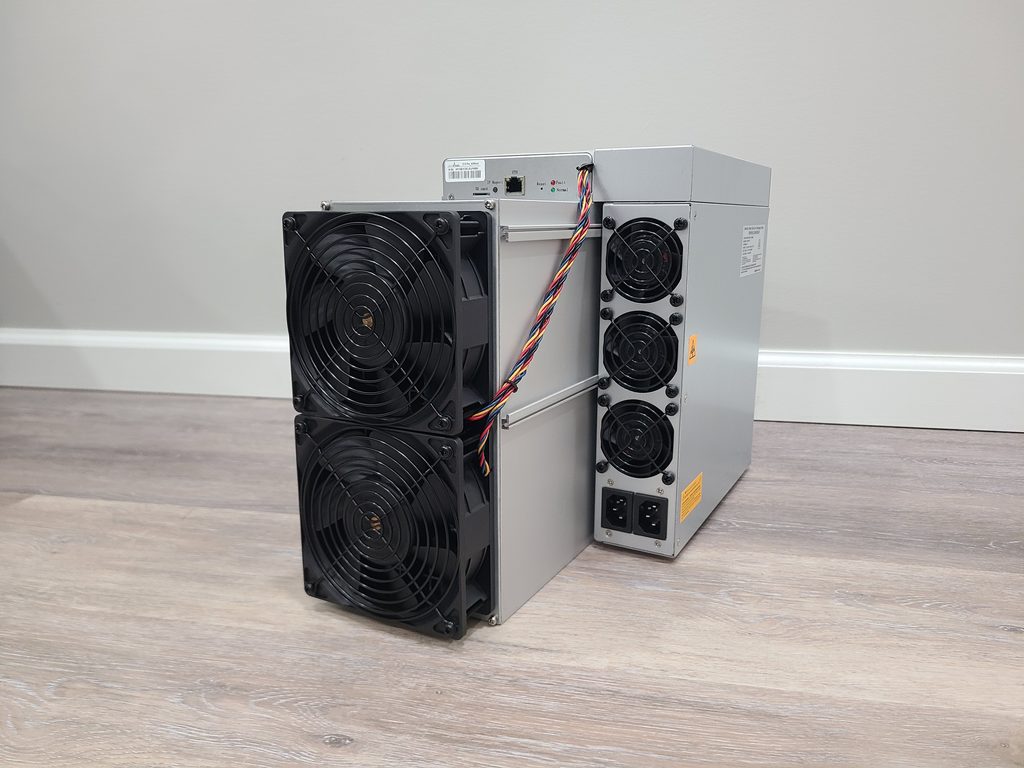
My $6,300 Bitmain Antminer Z15 Pro
Back in April 2026, I purchased a Bitmain Antminer Z15 Pro from Terra Hosting for $6,300.
This was the newer April batch model, delivering approximately 860 KS/s on the Equihash algorithm.
After a few shipping delays, I finally got the machine running in my backyard mining shed on May 25th, this dates important.
I connected it to PowerPool, where I configured payouts to automatically convert 95% of my mining rewards into USDC and the remaining 5% into Bitcoin for my long-term holdings.
And let me tell you, this thing was an absolute beast!
During one three-day period, I was averaging approximately 874 KS/s, exceeding its advertised performance.
But what really changed everything was ZCASH.
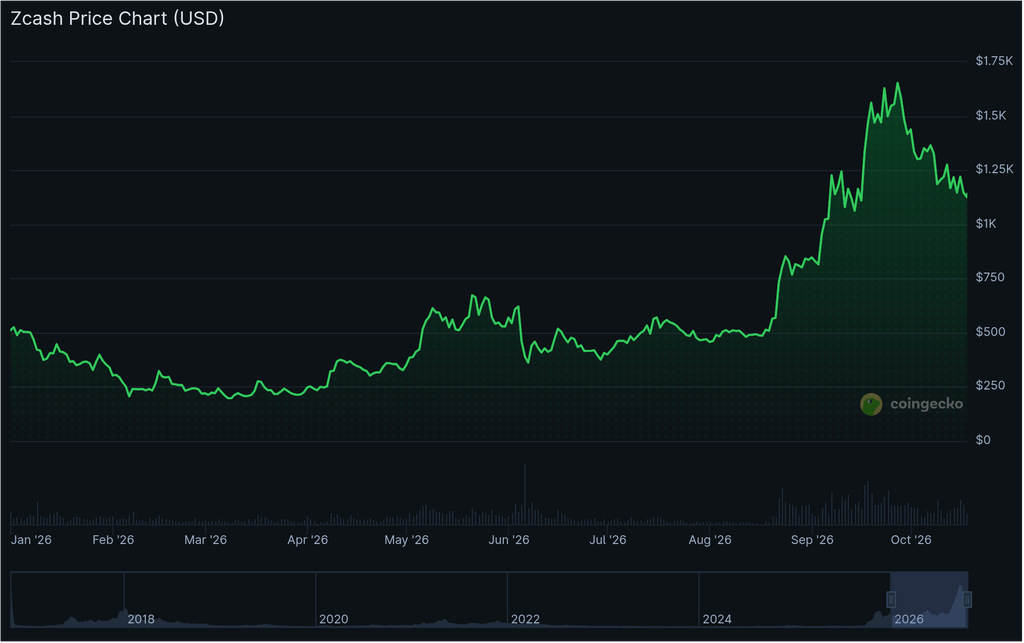
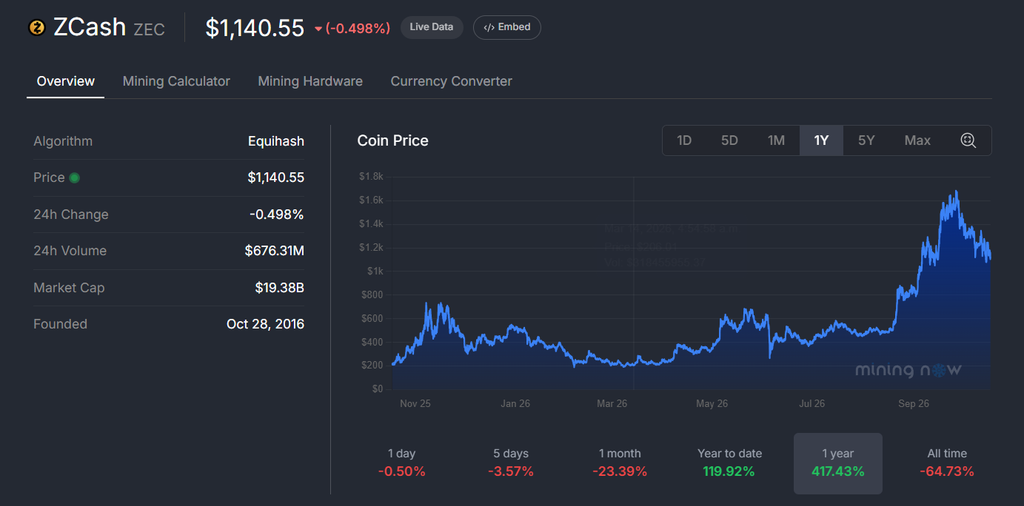
During the months I owned this miner, Zcash experienced an incredible rally, climbing from approximately $550 around the time I started mining to roughly $1,600–$1,680 near the time I sold it.
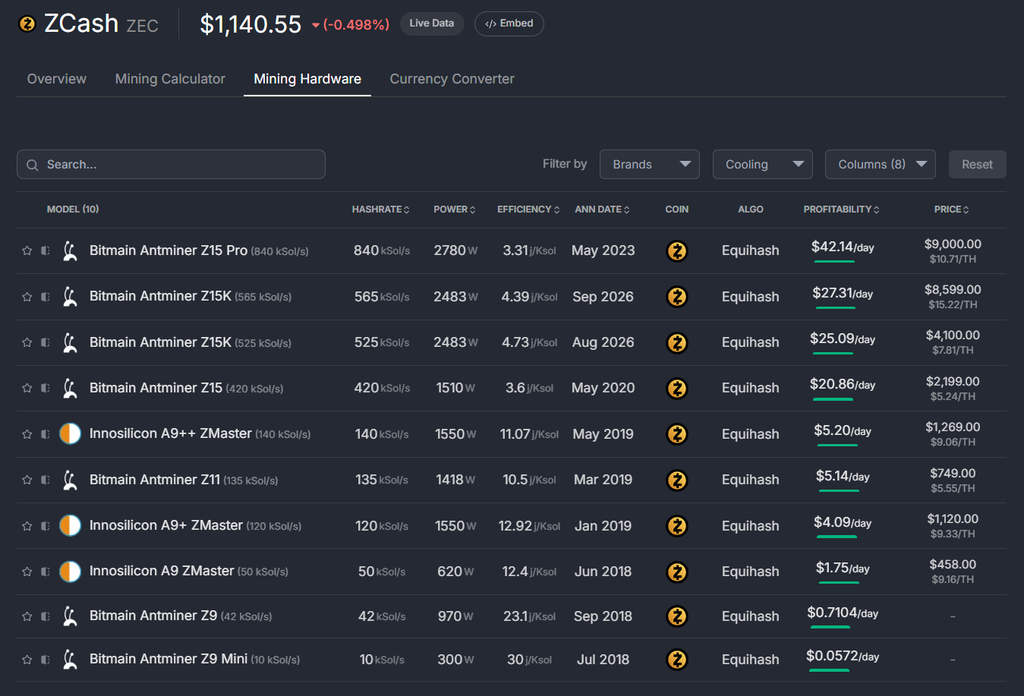
Suddenly, my Z15 Pro was generating approximately $50–$55 per day in mining revenue.
It had become one of the most profitable mainstream ASIC miners on the market.
And that’s when I started looking at it differently.
Not just as a miner generating income.
But as an asset that had dramatically increased in value.
The Opportunity Most Crypto Miners Miss!
Let’s talk about something I think deserves significantly more attention in the crypto mining community: Hardware Arbitrage.
The concept is relatively simple.
You purchase mining hardware when prices are attractive, mine cryptocurrency while the equipment generates income, and sell that hardware when market demand pushes resale values significantly higher.
You’re potentially making money in two different ways:
- Mining Revenue: The cryptocurrency rewards your ASIC generates while it’s operating.
- Hardware Appreciation: The additional money you can make by selling your ASIC for more than you originally paid.
Most home miners focus almost entirely on the first one.
We calculate daily profitability, estimate break-even periods, and monitor cryptocurrency prices.
But how often do we stop and check what our actual mining hardware is worth on the secondary market?
Think about it!
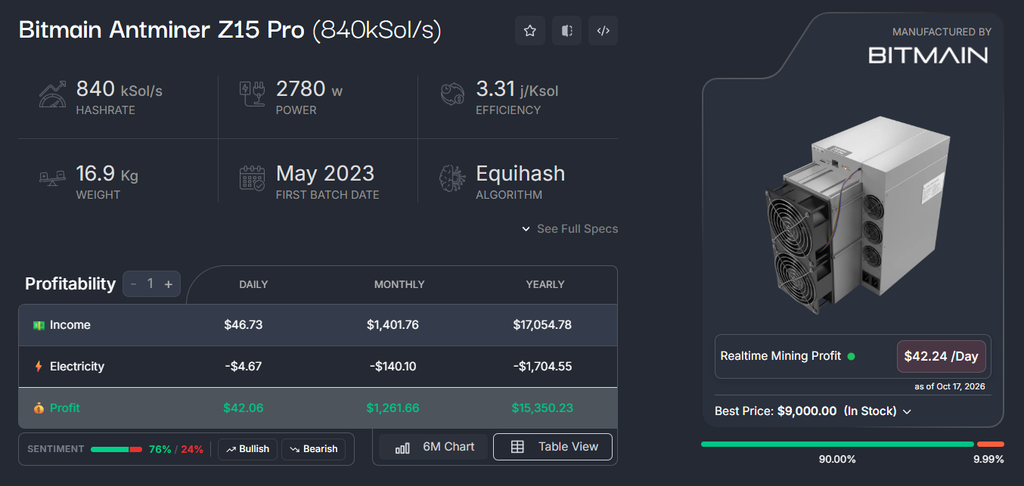
When a cryptocurrency skyrockets in value, mining profitability often follows. As daily earnings increase, demand for the hardware capable of mining that cryptocurrency can explode.
And what happens when everybody suddenly wants the same ASIC miner?
Hardware prices go through the roof!
That’s the opportunity.
Your miner might be generating $50 per day, but if somebody is willing to pay more than double what you originally spent on that machine, you need to seriously consider whether continuing to mine is really the smartest financial decision.
That’s Hardware Arbitrage in action.
And my Z15 Pro was a perfect example.
Four Months of Mining: How Much Did I Actually Make?
Before selling my Z15 Pro, I ran it from May 25th through September 28th, approximately 126 days.
During that period, PowerPool reported $4,119.35 in total mining revenue.
Here’s how everything broke down:
| Mining Breakdown | Amount |
|---|---|
| Original ASIC purchase | $6,300.00 |
| Total mining revenue | $4,119.35 |
| Daily electricity cost | $5.00 |
| Days mining | 126 |
| Total electricity expense | $630.00 |
| Net mining profit | $3,489.35 |
After electricity, I had generated $3,489.35 in mining profit.
That’s approximately 55% of my original hardware investment recovered through mining alone.
However, I was still $2,810.65 short of completely recovering my $6,300 purchase price.
Normally, I’d keep that machine running, collecting daily rewards until it reached ROI.
But here’s where my mindset started to change.
Why should I spend months waiting for a miner to pay itself off when the hardware itself has appreciated enough to potentially cover my entire investment and generate a massive profit?
My Miner Was Suddenly Worth $15,000!
As Zcash profitability continued climbing, so did the demand for Equihash miners.
The Z15 Pro was becoming an incredibly desirable ASIC.
I started checking hardware prices and noticed that similar machines were being advertised for approximately $14,500 or more.
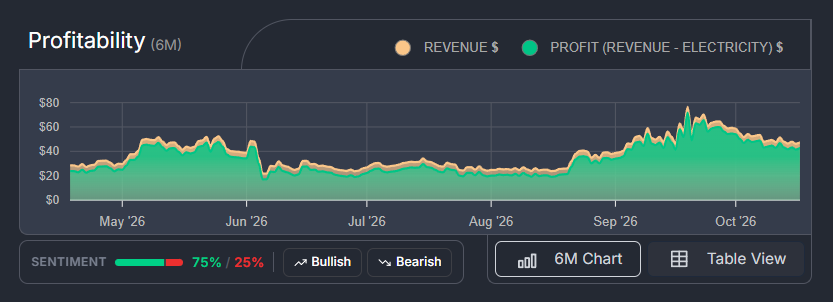
Remember, I had purchased mine for only $6,300!
Instead of simply celebrating the $50+ per day in mining revenue, I realized I was sitting on an asset that had appreciated dramatically.
So I decided to test the secondary market.
I listed my Z15 Pro on eBay for $16,500, with a minimum acceptable offer of $15,000.
And guess what?
IT SOLD FOR $15,000!
That’s approximately 2.38 times my original purchase price!
Of course, eBay wanted its share of the action.
Here’s the actual breakdown:
| Hardware Sale | Amount |
|---|---|
| Final selling price | $15,000.00 |
| eBay transaction fees | -$1,199.92 |
| Shipping | -$94.64 |
| Net proceeds from sale | $13,705.44 |
The buyer also paid $1,256.25 in sales tax, which wasn’t part of my earnings.
After fees and shipping, I received $13,705.44.
That’s an enormous amount of capital recovered from a machine that had already been generating mining rewards for months.
And this is exactly why I keep emphasizing that ASIC miners should be treated as financial assets, not just income-producing appliances!
My Realized Profit: Almost $11,000!
Now let’s put everything together.
Remember, we have two sources of financial return here: mining profits and the proceeds from selling the hardware.
| Complete Investment Breakdown | Amount |
|---|---|
| Original hardware investment | -$6,300.00 |
| Mining revenue earned | +$4,119.35 |
| Electricity expenses | -$630.00 |
| Net hardware sale proceeds | +$13,705.44 |
| Total realized profit | +$10,894.79 |
Let that sink in for a second.
I purchased an ASIC miner for $6,300 and walked away with approximately $10,895 in realized profit in roughly five months!
And I recovered my original capital in the process.
That’s the power of Hardware Arbitrage.
I wasn’t relying exclusively on daily mining rewards to generate a return. I took advantage of the market’s willingness to pay a substantial premium for highly profitable mining equipment.
Those numbers are before income taxes and other business overhead.
The Math That Made Selling a No-Brainer for Me
Here’s where this gets really interesting.
When I reviewed the numbers after the sale, the Z15 Pro was still capable of generating approximately $41.42 per day in estimated profit after electricity.
At that rate, a $6,300 machine would require:
$6,300 ÷ $41.42 = approximately 152 days
That’s 152 days just to recover the original purchase price from mining rewards.
But what if I wanted to generate the same $10,894.79 in profit that I had already realized through mining and selling?
I’d need to generate my initial $6,300 investment plus $10,894.79 in earnings.
That’s a total of $17,194.79.
$17,194.79 ÷ $41.42 = approximately 415 days!
Think about that.
At a constant $41.42 in daily mining profit, generating that amount entirely through mining would require approximately 415 days.
Meanwhile, I realized my return through a combination of mining and selling the hardware in roughly five months.
Now, this is a simplified comparison of mining earnings versus my completed investment. It doesn’t account for a miner’s future resale value, and nobody can guarantee that $41.42 daily profit would remain constant.
That’s actually part of my point!
Mining profitability can change overnight. Cryptocurrency prices fluctuate, network difficulty increases, newer hardware gets released, and the machine that was printing money yesterday might struggle to cover electricity tomorrow.
But by selling, I converted an unusually high hardware valuation into actual realized profit.
I didn’t have to gamble on another year of favorable mining conditions to lock in that return.
Stop Treating ASIC Miners Like Permanent Investments!
Here’s the biggest lesson I want home crypto miners to take away from this experience.
Too many of us develop an emotional attachment to our mining hardware.
We buy an ASIC, set it up, optimize the cooling, configure our mining pools, and watch those daily rewards roll in.
When profitability increases, our first instinct is to celebrate and keep mining.
But that’s exactly when we should also be evaluating the hardware’s resale value!
When your ASIC is at peak profitability, it may also be approaching peak market demand.
That doesn’t mean you can perfectly time the top. Nobody can.
But it’s an opportunity that deserves serious attention.
If your miner has doubled or tripled in resale value, ask yourself:
- How much more could I realistically earn by continuing to mine?
- What is my hardware worth if I sell it today?
- How quickly could that resale value collapse if profitability drops?
- Would selling now generate a better risk-adjusted return than continuing to operate it?
These are the questions we should be asking ourselves as mining hardware owners.
Because ASICs aren’t guaranteed to appreciate.
In fact, many depreciate rapidly as newer and more efficient hardware enters the market.
That’s why recognizing an opportunity to sell at an unusually high valuation can be just as important as knowing which miner to buy in the first place.
Buy the hardware when the numbers make sense. Mine while it generates attractive returns. Sell when the market offers a premium you don’t want to risk losing.
That’s the Hardware Arbitrage mindset!
Finally come share your thoughts and questions on getting started Bitcoin Mining in The Hobbyist Miner Community Discord, free to join here!