






Is Tangem the Best Crypto Wallet? Why Every Home Crypto Miner Needs Cold Storage!
Imagine spending months, maybe even YEARS, mining Bitcoin, Dogecoin, Litecoin, or other cryptocurrencies, only to wake up one morning and discover that the exchange holding your mining rewards has been hacked.
That’s a nightmare no crypto miner wants to experience!
On October 29, 2026, Binance suffered a massive security incident involving approximately $6.3 BILLION in cryptocurrency. While Binance has committed to covering the losses, the incident is another reminder of something I’ve preached for years.
NOT YOUR KEYS, NOT YOUR CRYPTO!
As home crypto miners, we spend hundreds or even thousands of dollars on mining hardware, electricity, cooling, and infrastructure. But how much time do we actually spend thinking about protecting the cryptocurrency we’re earning?
That’s where self-custody and cold storage wallets come into play.
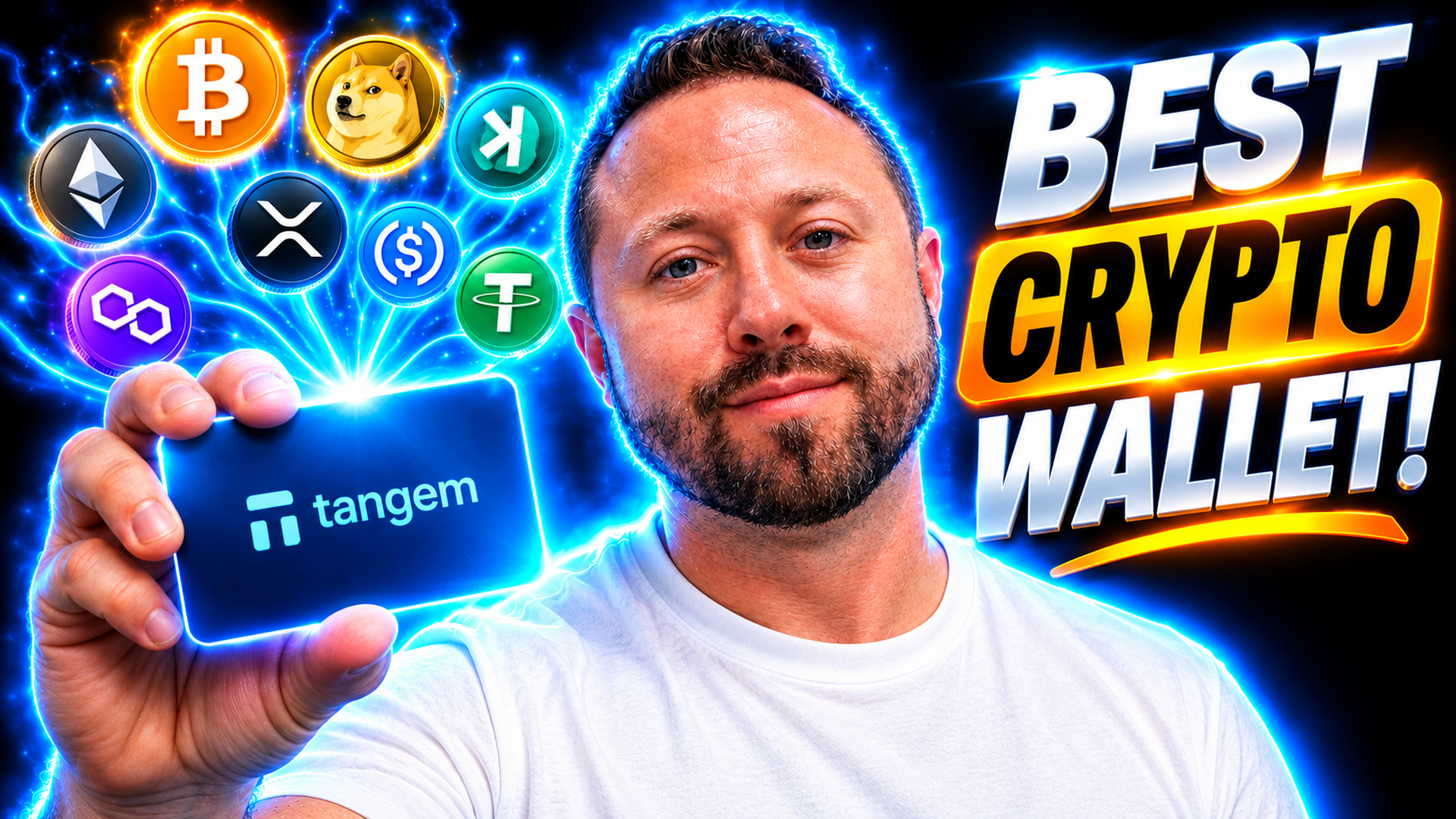
And today, I want to share why I’ve personally been using and recommending the Tangem Wallet for several years.

Stop Treating Crypto Exchanges Like Savings Accounts!
Before getting into Tangem, it’s important to understand what makes a cold storage wallet different.
A traditional software wallet, commonly called a hot wallet, stores or accesses your private keys through an internet-connected device.
A cold storage hardware wallet takes a different approach.
Your private keys are maintained inside dedicated hardware that doesn’t need a direct internet connection to authorize cryptocurrency transactions.
And remember, your actual Bitcoin or other cryptocurrencies aren’t physically stored inside the wallet. They exist on their respective blockchains.
The wallet protects the private keys that allow you to access and move those funds.
Whoever controls those private keys controls the cryptocurrency.
That’s why choosing the right wallet is one of the most important decisions any home crypto miner can make.
What Is a Cold Storage Crypto Wallet?
Before getting into Tangem, it’s important to understand what makes a cold storage wallet different.
A traditional software wallet, commonly called a hot wallet, stores or accesses your private keys through an internet-connected device.
A cold storage hardware wallet takes a different approach.
Your private keys are maintained inside dedicated hardware that doesn’t need a direct internet connection to authorize cryptocurrency transactions.
And remember, your actual Bitcoin or other cryptocurrencies aren’t physically stored inside the wallet. They exist on their respective blockchains.
The wallet protects the private keys that allow you to access and move those funds.
Whoever controls those private keys controls the cryptocurrency.
That’s why choosing the right wallet is one of the most important decisions any home crypto miner can make.
Meet the Tangem Wallet: Cold Storage Made SIMPLE!
One of my biggest complaints about cryptocurrency wallets over the years has been how unnecessarily complicated they can be for beginners.
That’s one of the reasons I really like Tangem.
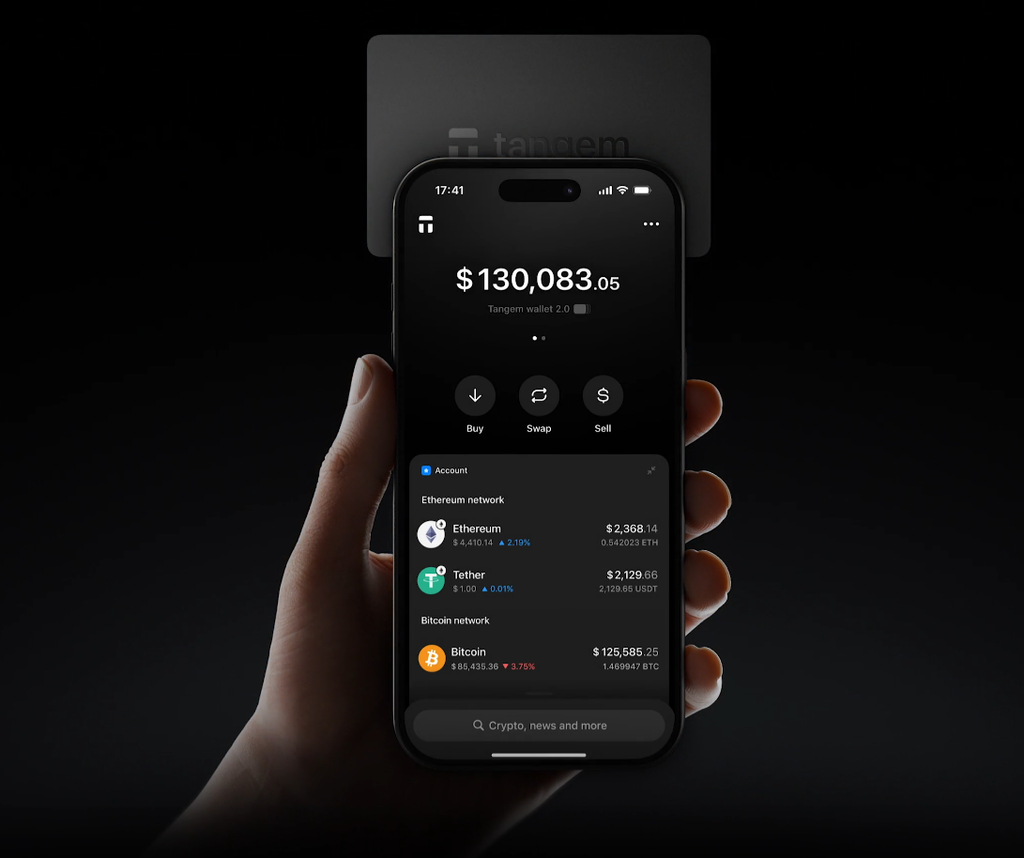
Unlike traditional hardware wallets with screens, cables, and multiple buttons, Tangem uses something much simpler.
A physical card about the size of a credit card!
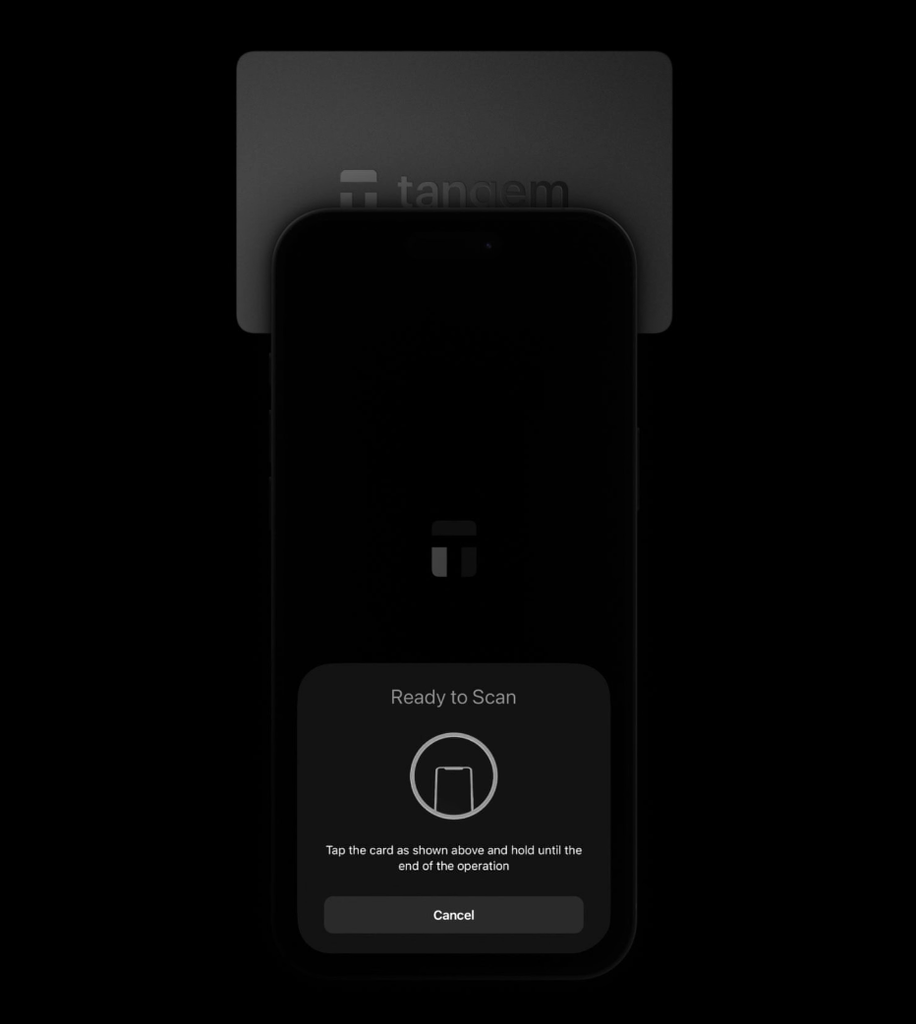
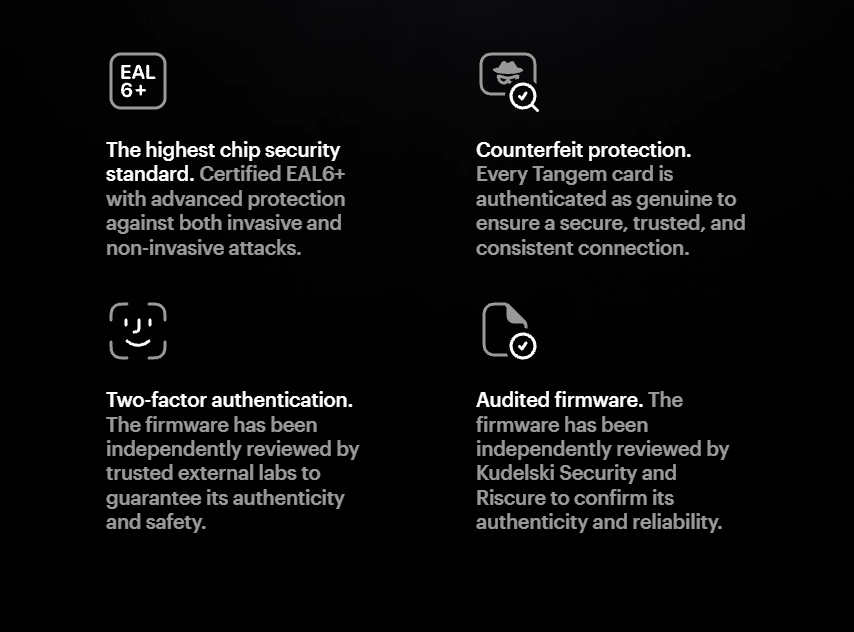
Inside that card is a secure chip that protects your private keys. It communicates with your smartphone using NFC technology, similar to tapping your credit card at a checkout terminal.
There are no batteries to charge or USB cables to connect.
You simply open the Tangem app and tap your card when you need to authorize a transaction.
Tangem also supports a wide range of cryptocurrencies, including Bitcoin, Ethereum, Dogecoin, Litecoin, and many others, although asset and network compatibility should always be checked before transferring funds.
Here is the full list
For home crypto miners who earn several different cryptocurrencies, having one convenient place to manage supported assets is incredibly appealing.
Setting Up Tangem: Easier Than You Think!
In my original Tangem Wallet review, I walked through the entire setup process, and I was genuinely impressed with how straightforward everything was.
Here’s the basic process:
- Download the official Tangem app on your NFC-enabled Android or Apple smartphone.
- Scan your Tangem card to begin creating your hardware wallet.
- Configure your backup cards to protect yourself if one card gets lost or damaged.
- Create a secure access code that helps prevent unauthorized transactions.
- Add your cryptocurrencies and begin receiving mining rewards.
One of my favorite features is the backup system.
Tangem hardware wallets are available with two or three cards that can provide access to the same wallet.
I personally recommend keeping backup cards in separate, secure physical locations.
Maybe one in your home safe and another in a different secure location.
Here’s something important: when using Tangem’s seedless setup, your backup cards need to be configured during the initial backup process. If you lose every card, there’s no recovery service that can restore your funds.
Tangem also offers seed-phrase setup options for users who prefer that recovery method. I highly recommend this avenue.
Security and convenience are great, but protecting your backups is YOUR responsibility!
What Happens If Your Phone Gets Lost or Stolen?
This was actually one of my biggest questions when I originally tested Tangem.
What happens if my phone breaks? What if I lose it or accidentally destroy it?
Would I lose all my cryptocurrency?
Thankfully, NO!
With Tangem’s hardware wallet, your private keys are protected by the physical card, not stored inside your phone.
Your smartphone primarily acts as the interface for viewing balances, managing assets, and preparing transactions.
If your phone disappears, you can install the Tangem app on another compatible smartphone, scan your card, and regain access using your credentials.
That’s a significant advantage.
Of course, you still need to protect your Tangem cards and access code.
I Tested Tangem with a Real Dogecoin Transaction!
I didn’t want to simply take Tangem’s marketing claims at face value.
I wanted to see how it performed in the real world!
So, during my original review, I transferred approximately $20 worth of Dogecoin into my Tangem Wallet.
Then I attempted to send that Dogecoin to another wallet.
Here’s where things got interesting.
The transaction required me to physically scan my Tangem card and complete the security verification process before the transfer could be authorized.
That extra physical authorization step was exactly what I wanted to see.
For someone who comes from an IT background, having dedicated hardware involved in approving transactions gives me additional confidence.
No wallet is completely immune to user mistakes or security risks, but this approach helps reduce exposure of your private keys.
Want to see the entire setup and my real-world Dogecoin transaction test?
Watch my original video here:
How to Set Up Your Tangem Crypto Wallet – Full Video Walkthrough
Note: This video was recorded several years ago, so some app screens and available features have since changed.
Swap Cryptocurrency Without Manually Moving Everything to an Exchange!
Here’s another reason Tangem has become one of my favorite crypto wallets.
Built-in cryptocurrency swaps!
Imagine you’re mining Dogecoin but want to convert some of your rewards into Bitcoin or a supported stablecoin, like USDC.
Rather than manually transferring funds to an exchange, completing a trade, and withdrawing them again, you can initiate supported swaps directly from the Tangem app.
Tangem integrates third-party swap providers, including centralized and decentralized services, to facilitate these transactions.
That’s an important distinction: the swapping service may still involve an exchange provider, even though you don’t need to manually deposit funds into a separate exchange account.
For home miners managing several cryptocurrencies, having these options in one interface can be incredibly convenient!
Tangem Pay: Can Your Mining Rewards Help Pay the Electric Bill?
Now here’s something that gets me particularly excited as a home crypto miner.
Tangem offers a separate payment feature that allows eligible users to spend supported stablecoins using a Visa payment card.
Think about the possibilities.
You mine cryptocurrency at home, convert a portion of your rewards into supported stablecoins, and fund your Tangem Pay account.
You could then use those funds for everyday purchases where the card is accepted.
Groceries? Gas? Maybe even your monthly ELECTRIC BILL!
How awesome would it be to use the cryptocurrency generated by your mining equipment to help cover the electricity costs of running those very machines?
Tangem Pay is separate from the self-custody hardware wallet and requires eligibility checks and identity verification before getting started.
Still, it’s an exciting example of how cryptocurrency can move beyond simply accumulating coins and become useful in everyday life.

Is Tangem the Best Crypto Wallet?
After using Tangem for several years, it’s one of the easiest hardware wallets I’ve personally used.
I especially appreciate its simple setup, NFC card design, backup options, multi-cryptocurrency support, and built-in swapping capabilities.
Is Tangem the perfect wallet for every single person?
Of course not!
Everyone has different requirements, and some experienced cryptocurrency users may prefer other hardware wallets or recovery methods.
But for beginner home crypto miners looking for an approachable cold storage wallet, Tangem is absolutely one of my top recommendations.
You don’t need to own an entire mining farm to take crypto security seriously.
Whether you’re earning a few cents a day from a small solo miner or accumulating rewards from multiple full-size ASICs, those coins deserve protection.
If you’re interested in Tangem, you can check out the Tangem Wallet here.
And if you’re completely new to Bitcoin mining, I recently put together my 4 Easy Steps to Get Started Bitcoin Mining for Beginners.
There’s a reason setting up a secure crypto wallet is one of my very first recommended steps!
Protect what you mine. Not your keys, not your crypto!
Finally come share your thoughts and questions on getting started crypto mining and crypto wallets in The Hobbyist Miner Community Discord, free to join here