






The Truth …Why “Warranty” Doesn’t Mean What You Think It Means
If you’re new to crypto mining and coming from tech, gaming, or general consumer electronics, you probably have a mental model of what a “warranty” means. You buy a product, it breaks within the coverage window, the manufacturer fixes it or replaces it, end of story. Maybe you’ve dealt with Amazon returns, or a laptop manufacturer that overnighted you a replacement part. That model does not exist in crypto mining hardware, and the sooner new miners understand this, the less money and sanity they’ll lose.
Welcome to the Space!
Ask around any mining Discord or Telegram groups and you’ll hear the same story on repeat: a brand-new ASIC shows up dead on arrival, or dies within the first few weeks of operation. New miners assume this is rare, a manufacturing fluke, something the company will obviously make right since the unit never even worked. It’s not rare, and the company rarely makes it right.
The idea that a manufacturer will simply replace a dead-on-arrival unit, no argument, no shipping fees, no runaround, is close to a fantasy in this industry. Even when a unit is brand new and clearly defective from day one, miners are often told to ship it back at their own expense, sometimes internationally, and then wait months for a diagnosis that may end in nothing at all.
Why the Industry Works This Way
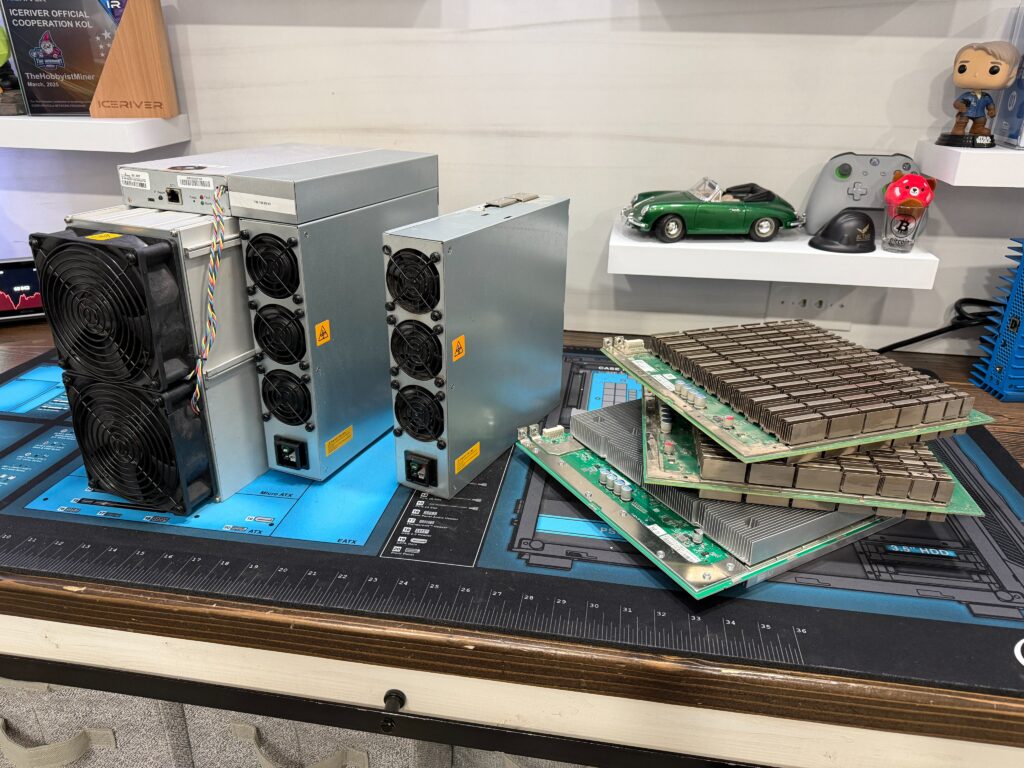
Crypto mining hardware, as a category, was largely born in and is still dominated by manufacturers based in China. That origin matters, because it comes with a set of business norms around product quality control, customer service infrastructure, and consumer protection that are very different from what most Western tech buyers are used to. Quality assurance on ASIC production runs is inconsistent, hashboards and power supplies are pushed to their thermal and electrical limits to maximize hashrate per dollar, and the customer service layer sits several steps removed from the actual repair technicians. The result is a repair process that feels less like manufacturer support and more like a black box you’re forced to trust.
A Case Study: What Happened With a Bitmain L7
Watch the Full Video on my Experience with Bitmain and my Antminer L7 Here
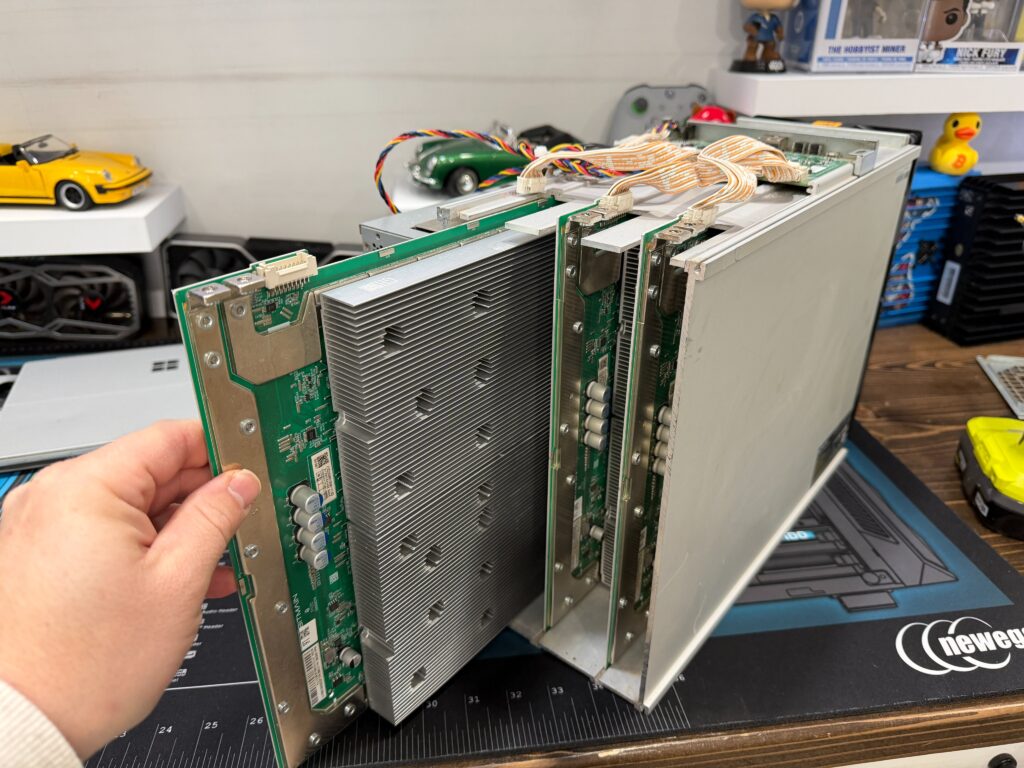
A year ago I shared a repair experience with a Bitmain Antminer L7 that shows exactly how this can go wrong. The unit had one faulty hashboard out of three, still hashing at 6.5–7 GH/s on the two good boards, and was sent in for what should have been a routine single-board repair to Bitmain. Instead, over the course of nearly two months, the story shifted from “it’s repaired” to “it’s not stable” to “we’ll check tomorrow” to, eventually, “we’ve decided to scrap it.”
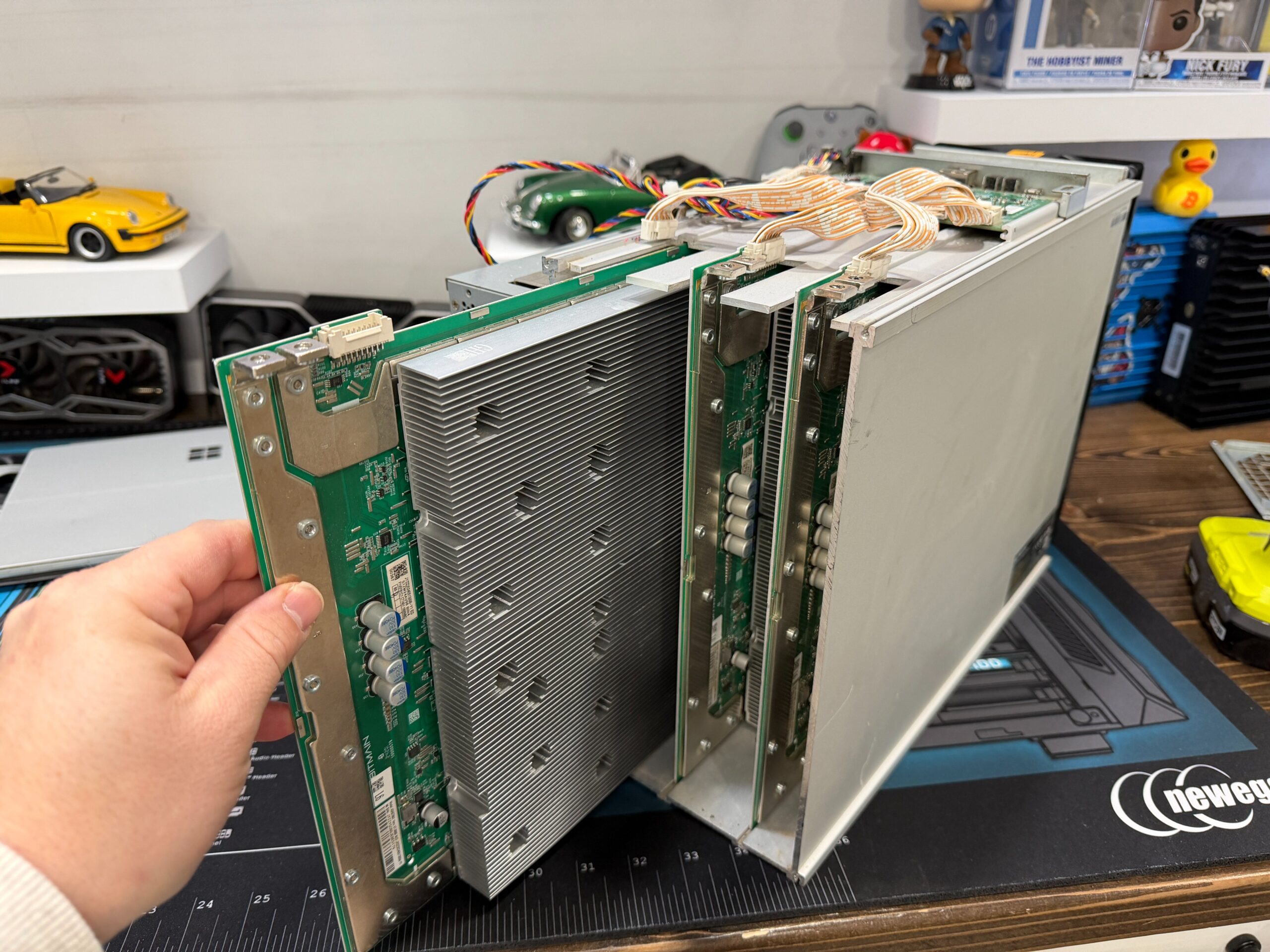
That’s a full ASIC, with two-thirds of its hashboards still working perfectly, declared a total loss. Only after I escalated directly and demanded the unit back did Bitmain ship it back at all, and when it arrived, it was missing screws, missing a ribbon cable, wrapped in someone else’s lid, and packed with a different power supply. The team at Antminer Repair LLC (Not related to Bitmain) inspected it found that the bad hashboard had clearly been picked apart for parts, with chips and level shifters removed. After manually replacing solder balls, a level shifter, a resistor, and a bad temperature sensor chip, the tech got the unit fully back to 120 working chips and 9.6 GH/s.
This wasn’t an isolated incident either. Another well-known mining content creator had a brand-new S21 Pro, worth roughly $4,500, failed shortly after purchase. It was shipped all the way to China for warranty repair at the owner’s expense, only to come back scrapped with no replacement and no refund offered. Out $4500 ion less then 90 days.
Not Every Manufacturer Behaves This Way
It’s worth saying clearly: not every company in this space treats customers like this. Elphapex and Canaan have generally built better reputations for standing behind their hardware and communicating clearly during the repair process. They’re not perfect, no manufacturer in this industry is, but community feedback consistently places them ahead of the pack when it comes to actually resolving warranty claims instead of stonewalling customers or quietly cannibalizing returned units. I only own one Whatsminer unit, a M60 and it’s been rock solid since I got it a few years ago. So I can’t speak to their repair process, can you?
It’s Not Just the Big Rigs
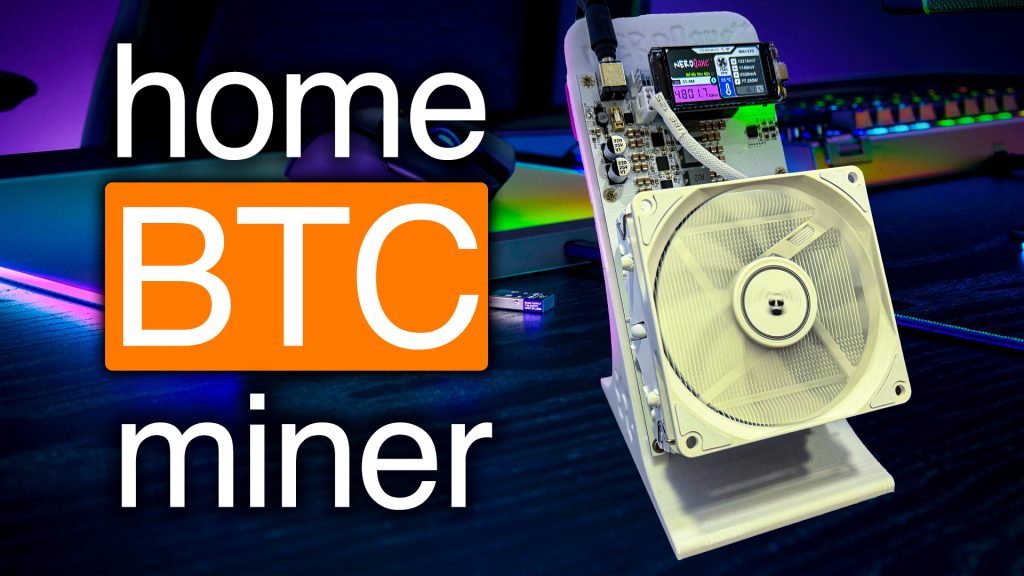
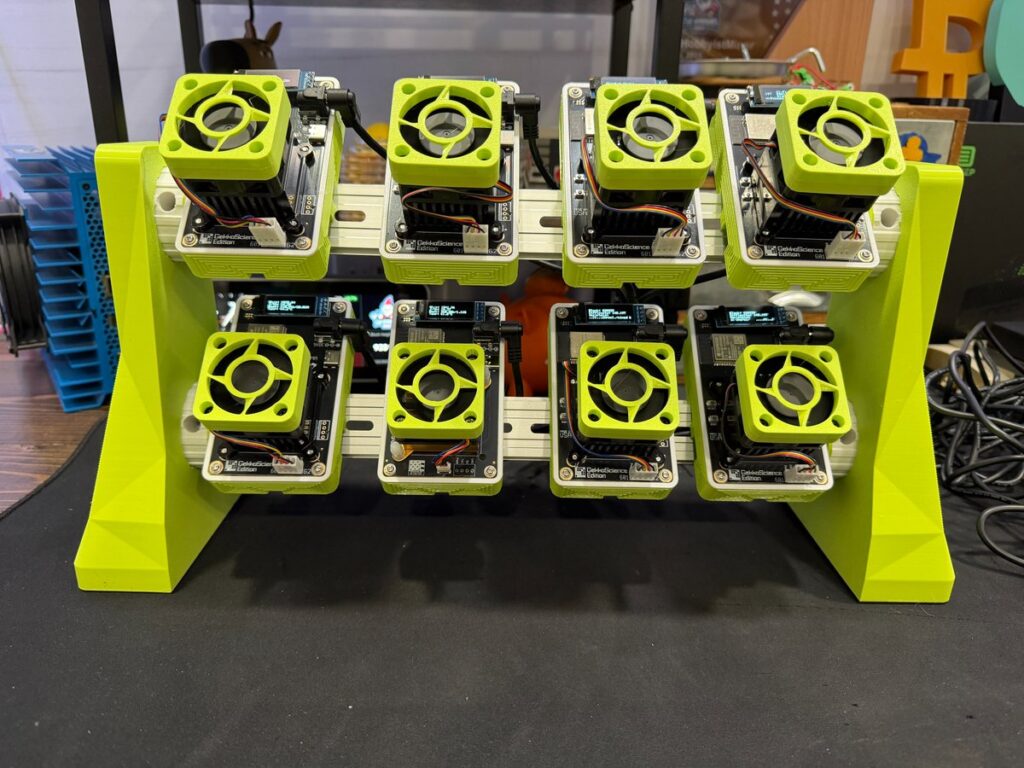
This problem doesn’t stop at full-size ASICs pulling thousands of watts in a hosting facility. Home miners feel it just as often, if not more. Small home-scale miners running off wall power or USB-C are dealing with their own version of this exact problem: overheating, failed fans, and power supplies that just give up. USB-C ports on consumer-grade boards are frequently pushed well past what they were ever designed to handle, and heat management on compact, densely packed boards is an ongoing struggle. Ask anyone running a Bitaxe how many units they’ve gone through, and odds are good you’ll hear about at least one that ended up in the e-waste pile after a failure or a thermal event cooked the board.
Finding a Repair Group You Trust Is Not Optional
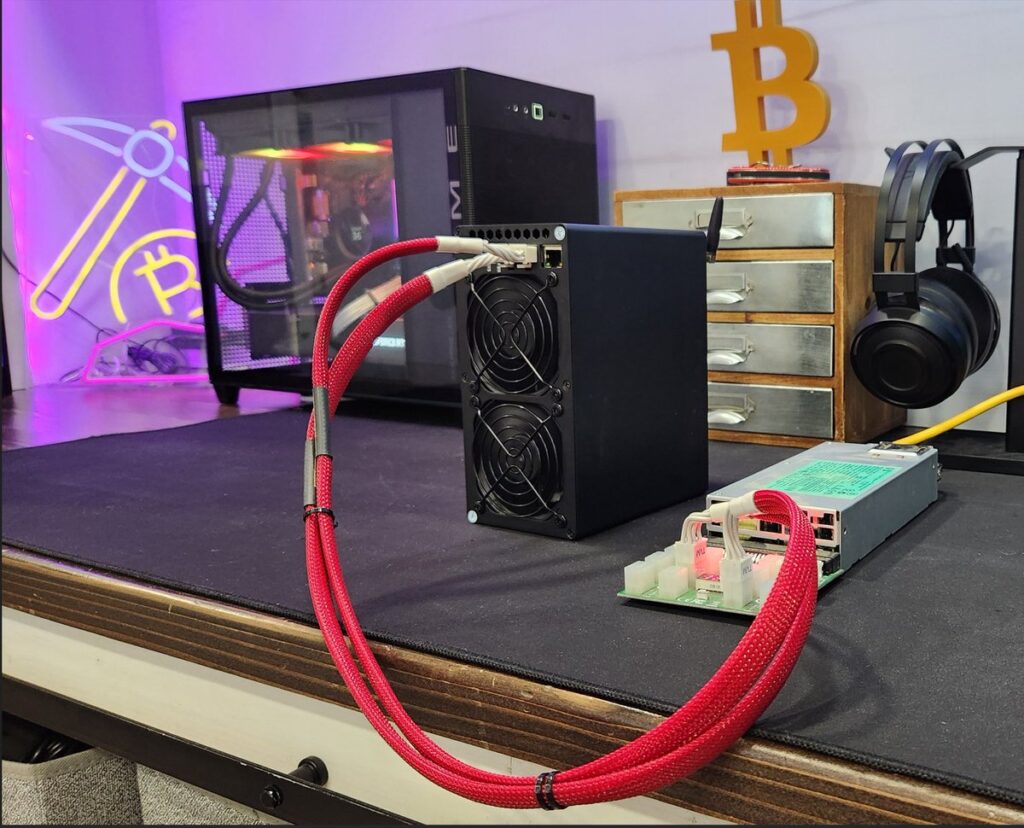
Given all of this, the single most valuable thing a miner can do, whether you’re running a farm of full-size ASICs or a windowsill full of home miners, is build a relationship with an independent repair source you actually trust. Manufacturer support, as a first line of defense, cannot be relied on.
For my community, that’s been Antminer Repair LLC. I know the name makes it sound like a Bitmain only shop, but that’s not the case anymore. They’ve fixed Iceriver, Elphapex, Volcminer, and Canaan units for me, and they’ve recently started accepting home miner repairs too, having just taken in my Power Mining NerdOctaxe and a brand-new Helium Deploy NerdQAxe++.
Until manufacturers in this space start treating warranty support the way the rest of the tech industry does, having a repair tech in your corner is a must have!
See You Next Time!
Have you own repair horror story? Come join the conversation in The Hobbyist Miner Community Discord — free to join here!