






How to Get Started Mining Bitcoin: The Ultimate Beginner’s Guide

Welcome back, crypto miners! Whether you’re brand new and curious about dipping your toes into the world of crypto mining, or you’ve been watching from the sidelines just waiting for the right moment to jump in—this post is for you. Today, we’re breaking down exactly how to get started mining Bitcoin (and other cryptos) in 2025, even if you’ve never touched a mining rig before!
You’re about to dive into all our hard-earned tips, tricks, and honest advice. We’ll walk through personal stories, smart steps to take, things we wish we knew as beginners, and the realistic expectations you need to set.
Joining me today in the conversation is home crypto miner and fellow content creator Seb Hezlo from Seb’s Fintech Channel.
For more insights on this topic check out this detailed video: How to Get Started Mining Bitcoin
So pull up a chair, miners—let’s get started!
Table of Contents
- Introduction—Why Start Mining?
- My Mining Journey: How We Got Into It
- Crypto Mining in 2025: The Reality Check
- A Beginner’s First Steps: Where Do I Even Start?
- Picking Your First Hardware (Without Going Broke)
- Learning the Ropes Before You Spend Big
- The Value of Hands-On Experience
- Setting a Budget For Educational Mining
- Taking Your Next Steps—Scaling Your Mining Operation
- Extra Resources and Final Thoughts
Introduction—Why Start Crypto Mining?
Let’s be real: if you’re interested in crypto mining in 2025, it’s probably not because you’re bored and just want another hobby. Maybe you’ve seen success stories, or maybe you love tinkering with technology. But at the heart of it, it’s about participating in the crypto revolution and seeing if you can make a return along the way.
But here’s a key idea right from the start:
“The more of us, the better. The more widespread crypto and mining gets, the better for everyone. A rising tide floats all boats.” — Seb
Mining isn’t just about chasing the next moonshot. It’s about learning, community, and supporting the networks we all care about. So if you’re ready to learn and grow—and maybe earn some crypto along the way—let’s get into it.
My Mining Journey: How We Got Into It
Before we go step-by-step, it’s worth sharing our own stories. Every miner’s journey is different, and hearing how others started helps set the stage.
Seb’s Story
Seb’s first brush with mining was way back—think old school. A friend was using NiceHash on a laptop GPU in the mid-2010s, earning a little bitcoin here and there:
“I thought it was so cool how he just had his laptop standing there, making bitcoin for him.”
But it wasn’t until the Ethereum mining craze of 2021 that Seb went all in. Having finally moved into a place where he could set up rigs:
- Scoured the internet for affordable, secondhand GPUs
- Built his first mining rig from scratch
- Rolled earnings from mining into more hardware
- Let the “farm” essentially grow itself—slow and steady
It all started with curiosity and grew by reinvesting—proving you don’t have to drop a fortune to get involved.
Learn more about Seb and home crypto mining on his youtube channel.
My Story
For me (The Hobbyist Miner), it started around 2016-2017 with a clunky site called MinerGate. Looking back, the website felt ancient but it was ahead of its time:
- Let you install mining software on almost any computer and start earning various coins
- Bought about 20 used computers off Facebook Marketplace
- Ran them all for three months… and quickly learned the myth that you’d get rich overnight!
Like Seb, I stepped away briefly, but was pulled back in during the Ethereum mining craze. This time, I documented everything for YouTube and have stuck with mining all these years.
Crypto Mining in 2025: The Reality Check
Setting Expectations Early
Mining is not the “get rich quick” scheme you might have heard about. In 2025, it’s a serious game, with lots of competition and technology changes:
- Profit margins are tighter than they used to be, especially after various halvings and market fluctuations
- Power prices and gear costs matter more than ever
- The easiest coins to mine have gotten more difficult and less profitable, unless you’re creative and efficient
But the joy of mining is about more than just profits.
- You learn real skills: hardware, software, crypto wallets, security
- You become part of a global community
- You earn, yes—and if you’re smart, you can scale up
Should Beginners Even Bother?
Absolutely! You just have to approach it with realistic goals.
Top reasons to mine in 2025:
- Educational value (so much to learn!)
- Supporting decentralized networks you believe in
- Side hustle vibes—it’s fascinating and fun
- Possibility to grow into a business
“If you’re brand new, I don’t just recommend ‘go out and buy a $10,000 ASIC’ because that’s what’s most profitable right now. Start small. Learn the process. Then grow.” — Seb
A Beginner’s First Steps: Where Do I Even Start?
Here’s a familiar scenario: Your brother, cousin, or friend comes to you and asks:
“I want to try crypto mining! Where do I start? What do I need to buy? Who do I talk to?”
It can feel overwhelming—but we’re here to break it down.
The Key: Curiosity + Action
You want to get interested and involved in mining. The best pathway is to start hands-on, not with a giant investment.
Why?
- You’ll learn by doing
- You’ll avoid big mistakes up front
- You’ll develop skills useful across crypto and tech
Step-By-Step for True Beginners
Let’s map the actual actions out:
- Start reading and watching:
- There’s endless YouTube content and blog posts now (much more than even a few years ago)
- Pick creators who keep it practical and up to date
- Forums like BitcoinTalk and Reddit’s r/cryptomining are goldmines
- Set up a wallet:
- Start with a simple, secure and inexpensive wallet, like Tangem
- Learn about hardware wallets for security as you go
- Choose your path:
- CPU mining (lowest cost, lowest risk)
- GPU mining (still low cost, more potential)
- ASIC mining (more advanced and expensive—don’t start here)
Picking Your First Hardware (Without Going Broke)
Let’s keep it practical—you don’t need a warehouse and a noise complaint from your neighbors on day one.
Step 1: CPU Mining Rig
The “build a computer” part is the best starting point for a total beginner.
- Grab a secondhand desktop tower or build from parts off Facebook Marketplace, Craigslist, or eBay
- Look for a CPU a couple generations old—great combos are available at steep discounts
Suggested CPU: AMD Ryzen 3900X
They’re cheap, plentiful, and still pack enough punch for learning all the ins and outs.
Why start with a CPU rig?
- It’s cheap and easy to find parts
- Teaches you hardware basics: assembly, troubleshooting, airflow
- You learn operating system basics (Windows or Linux)
- You can always upgrade later—GPUs and ASICs can be added as you get comfortable
Step 2: Add a GPU—Upgrade Path
Once you’ve got the basics, you can start upgrading:
- Slot in a used GPU (Nvidia or AMD)
- Power up mining software for CPU and GPU coins
- Learn about different algorithms and pools
As you get comfortable, you can scale to 2, 3, 4, or more GPUs. The coolest thing? You control the pace and the budget.
Step 3: Experimenting Further
This path gives you flexibility:
- Add more GPUs as you find good deals
- Sell/trade old parts to minimize your losses
- Move on to ASIC or FPGA mining once you’ve built confidence
Remember: Mining is not just about the equipment—it’s about mastering the process.
Learning the Ropes Before You Spend Big
A word of advice: Don’t rush! When I started, I felt like I had to jump in instantly or I was doomed to miss out.
“Crypto is going to be here today, tomorrow, the next day, next month, six months down the road. Don’t feel rushed.” — The Hobbyist Miner
There’s no rush. The FOMO (Fear of Missing Out) is real, but take a breath and:
- Set aside 2-4 weeks just for education
- Watch videos and read blogs on wallet setups, OS installations, and mining basics
- Digest the basics of hash rates, power costs, and profitability calculators
- Make notes about what interests or confuses you
- Each answer leads to another lesson—embrace the process
- Research current trends
- Coin profitability, hardware prices, and electricity rates change constantly
The Value of Hands-On Experience
“There’s no better way to learn than to build your own rig and do it yourself.” – The Hobbyist Miner
Skills You’ll Build:
- Sourcing and shopping for hardware (finding the real deals)
- Assembling a mining rig from parts (and troubleshooting when it doesn’t boot up the first time!)
- Installing mining software like NiceHash, Hive OS, or Unmineable
- Setting up crypto wallets and learning about private keys, addresses, and security best practices
- Connecting to mining pools and reading your dashboard
Bonus points: You’ll learn how to read voltages, keep heat under control, and deal with the (occasional) blue screen of death.
“As with any financial endeavor, the more you know, the better you’re going to do. There’s no better way of learning than setting up your first rig and going through that whole thing yourself. Hands-on experience beats everything.” — Seb
Why Not Just Buy a Prebuilt or ASIC Right Away?
Simple: If you skip to the end, you miss the fundamentals.
- Don’t spend $10,000 before you even know how to set up a wallet
- You avoid expensive mistakes (buying unprofitable gear, burning out circuits, losing coins)
- You learn what makes a rig profitable, not just which rig
When You’re Ready…
You can sell most hardware for nearly what you paid. Then reinvest the proceeds in something bigger, if you want—like an ASIC for serious bitcoin mining.
Setting a Budget For Educational Mining
Let’s talk money—the reality, the expectation, and the learning curve.
You’re Probably Not Going to Be Profitable at First
That’s not a discouragement. That’s just the honest truth. Hardware is expensive, power isn’t free, and markets are unpredictable.
Instead:
Think of your first few months as a “tuition fee” for a killer education in crypto.
- $300–$500 can get you a solid learning setup if you buy smart
- After 3-6 months, you can always sell your gear with minimal loss if you want out
Ask yourself:
“How much is that knowledge worth to you?”
In any other industry, you’d pay for classes or certifications. Here, you build something and probably recover most of your costs if you move on.
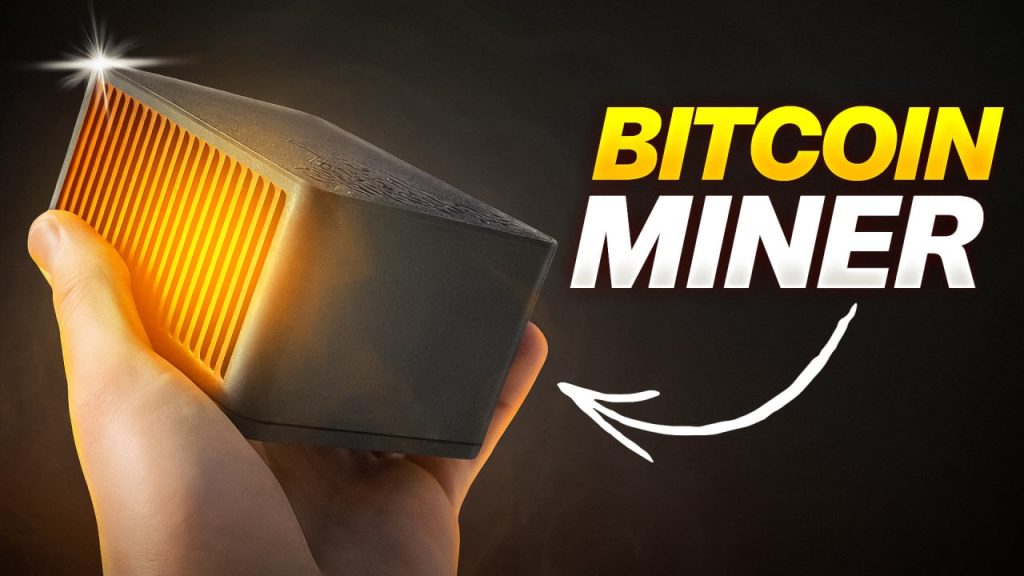
The Goldshell Byte is the perfect miner to learn on without breaking the bank. While it won’t make you rich, it will educate you on the crypto mining fundamentals.
Taking Your Next Steps—Scaling Your Mining Operation
Once you’ve learned the ropes, now what?
Option 1: Go Bigger Slowly
- Build out your rig with more GPUs as you find deals
- Upgrade to better CPUs, more RAM, improved power supplies, and better airflow/cooling
- Build a small “farm” at home. Don’t jump straight to a Hobbyist Miner Crypto Mining Shed
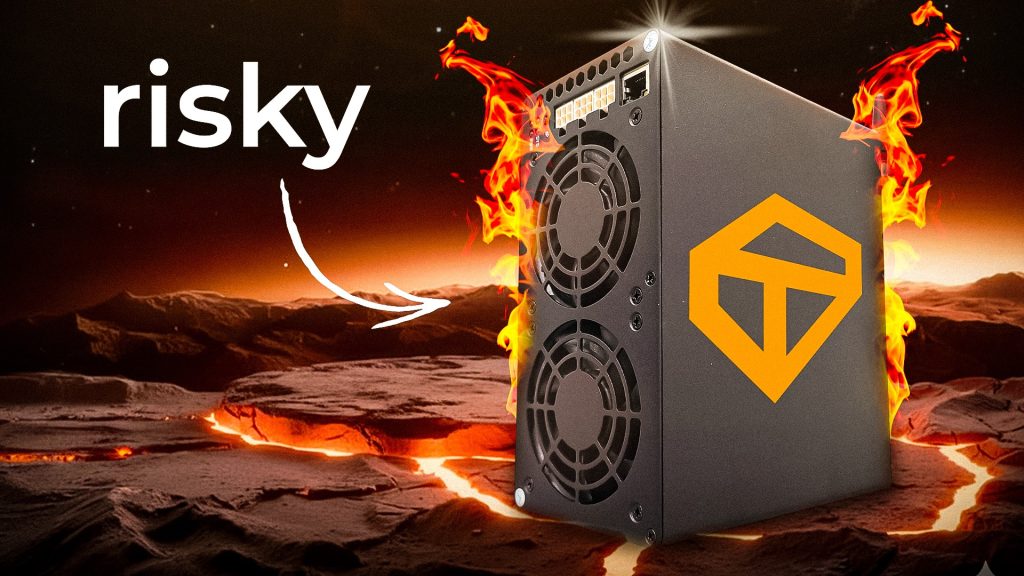
Option 2: Move to ASICs
Once you’ve got confidence and the itch to scale bigger:
- Look for trustworthy ASIC vendors ( I got you covered here)
- Learn everything about ASIC operation—noise, power, network setup, cooling, and profitability
- Consider professional hosting if you don’t want to deal with heat and noise at home
Top ASIC Miners in 2025
Pro tip: Some vendors include shipping and import taxes, and accept crypto payments. Always do your homework and check reviews before dropping cash.
Option 3: Expand with Hosting Providers
Don’t have space, or worried about power limits and cooling at home? Consider sending your miners to a hosting facility.
- Trusted US-based facilities like Block Ops Mining now offer mining equipment hosting—secure, pro-grade, and hands-off!
- Good if you aim to scale up without dealing with electric bills, noise, or physical setup
Common Pitfalls and How to Avoid Them
Every new miner makes mistakes. Learn from ours and skip the pain.
1. Spending Big Before Learning
- Don’t start with $10,000+ investments
- Learn with cheap gear
- Sell and scale up once you’re confident
2. Underestimating Power and Cooling
- Know your home’s limits (breaker box, plugs, ventilation)
- Don’t overload circuits or invite trouble
3. Setting Up Without Learning Wallet Security
- Losses from mistyped addresses or lost private keys are final—there’s no crypto help desk!
- Read up on cold storage, hardware wallets, and safe backup of recovery phrases
4. Ignoring Community Support
- Tap into forums, YouTube comments, and Discord servers for help—no question is too basic
Join The Hobbyist Miner Discord community and start asking questions!
5. Chasing Unprofitable Coins or Scams
- Always check profitability on WhatToMine or similar platforms like MiningNow
- Stick with established, reputable projects as you learn
Resources to Get You Started
To make this journey smoother, here are some helpful links and ideas:
Community & Learning Hubs
- How to Crypto Mine for Beginners Video
- 1 Hour of No BS Crypto Mining Advice Video
- Brutally HONEST Advice about Crypto Mining Video
- Reddit r/cryptomining: Friendly, up-to-date, and active
- YouTube Crypto Mining Playlists: Visual tutorials for every subject
- BitcoinTalk Mining Forums: For deep dives and OG knowledge
Hardware & Profitability Tools
- WhatToMine: Quickly calculate which coins are profitable for your setup
- MiningNow: Massive database website of ASIC miners and their daily profitability
Wallets and Security
- Exodus (Beginner-friendly wallet)
- Trezor & Ledger (Industry-leading hardware wallets)
- Tangem (The ultimate wallet for crypto mining enthuiast)
“When you spend a few hundred dollars on learning to mine, that knowledge can pay you back for years.” — The Hobbyist Miner
Thanks for joining us on this mining adventure—remember,
“Hands-on experience beats everything.”
Good luck, and happy mining!
Have questions? Tag me on Twitter – https://x.com/HobbyistMiner and join the conversation on my community Discord. Until next time: Mine Safe, Mine Smart!
Check back weekly for fresh new content, for the everyday miner! For more in-depth insights on this topic, enjoy the video below!